Business antivirus license pricing takes center stage as organizations increasingly recognize the importance of safeguarding their digital assets. In a world rife with cyber threats, choosing the right antivirus solution involves more than just picking a name; it’s about understanding the pricing models that fit your business needs. From subscription plans to one-time purchases, the landscape of antivirus licensing is rich with options, each carrying its own set of benefits and drawbacks.
Diving into the details, we explore various pricing models available, the factors influencing these prices, and how to effectively compare different antivirus solutions. Whether you’re a small startup or a large corporation, knowing what drives the costs will empower you to make informed decisions that protect your business effectively.
Pricing Models for Business Antivirus Licenses
The landscape of antivirus solutions is vast and diverse, especially when it comes to pricing models tailored for businesses. Organizations need to choose wisely to ensure that they are not only protected but also making the most cost-effective decisions. Business antivirus licenses typically come in two principal pricing models: subscription-based and one-time purchase options. Each model has its unique advantages and disadvantages, which can significantly impact a company’s security budget and overall strategy.
Understanding the pricing models for business antivirus licenses is crucial for companies looking to safeguard their digital assets effectively. Here, we will delve into the two primary models, exploring their respective benefits and drawbacks, along with some popular antivirus solutions and their pricing structures.
Subscription vs. One-Time Purchase Models
Businesses often face a choice between subscribing to antivirus services or making a one-time purchase. Each option has distinct characteristics that can influence an organization’s decision-making process.
The subscription model generally ensures ongoing updates and support, while a one-time purchase may offer a more straightforward payment process.
Subscription Model:
– Benefits:
– Regular updates and enhanced security features.
– Continuous customer support and access to new technologies.
– Flexibility to scale up or down based on business needs.
– Typically lower upfront costs, allowing easier budget allocation.
– Drawbacks:
– Ongoing costs can accumulate over time, leading to higher long-term expenses.
– Dependency on the provider for updates, which can be affected by service quality.
One-Time Purchase Model:
– Benefits:
– Fixed cost upfront with no recurring payments, providing budget certainty.
– Ownership of the software license, which may appeal to certain organizations.
– Drawbacks:
– Limited updates and support after the initial purchase, which may lead to potential vulnerabilities.
– Higher upfront costs may strain initial cash flow.
Popular antivirus solutions with varied pricing structures exemplify these models effectively:
| Antivirus Solution | Pricing Model | Approximate Cost |
|---|---|---|
| Norton Business | Subscription | $99.99/year for up to 10 devices |
| McAfee Total Protection for Business | Subscription | $150/year for up to 10 devices |
| Bitdefender GravityZone | Subscription | Starting at $99.99/year for 5 devices |
| Kaspersky Endpoint Security | One-Time Purchase | Starting at $150 for a perpetual license for 1 device |
The selection of an antivirus solution should be aligned with the specific needs of the business and its operational model. Whether opting for a subscription or a one-time purchase, companies must consider factors such as the size of the organization, the nature of their data, and their budgetary constraints to make an informed decision.
Factors Influencing Antivirus License Pricing: Business Antivirus License Pricing
When it comes to choosing an antivirus solution for businesses, the pricing of licenses is a pivotal consideration. Several factors contribute to the overall costs associated with these software solutions, and understanding them can help businesses make informed decisions. From company size to the features offered, various elements influence how much a business will ultimately pay for antivirus licenses.
One of the most significant factors affecting antivirus license pricing is the size of the company and the number of devices requiring protection. As organizations grow, their security needs evolve, and the cost structure of antivirus licenses reflects this complexity. Larger companies typically require more licenses, which can lead to bulk pricing options and negotiations with antivirus vendors. However, the need for comprehensive protection across numerous devices may also result in higher costs overall.
Impact of Company Size and Number of Devices on Costs
The correlation between a company’s size and the number of devices directly impacts the pricing structure of antivirus licenses. Here are some important considerations regarding this relationship:
- The larger the business, the more licenses it will need. For instance, a company with 500 employees may require licenses for 500 devices, whereas a smaller firm with 10 employees only needs 10.
- Volume discounts often come into play for larger purchases. Many antivirus providers offer tiered pricing models that reduce the cost per license as the number of licenses increases.
- Enterprise-level solutions often include additional features tailored to larger organizations, such as centralized management tools, which can increase initial costs but provide long-term savings through efficiency.
Features and Support Services Contributing to Pricing Variations
Beyond the basic licensing costs, the range of features and support services offered by antivirus solutions can significantly influence pricing. Businesses must weigh the benefits of advanced functionalities against their budget constraints. Here are several key areas where features and support impact pricing:
- Advanced malware protection, ransomware defense, and web filtering are common premium features. Choosing a plan with these capabilities can increase costs, but they provide enhanced security.
- Support services, such as 24/7 customer support or dedicated account management, often incur additional fees. Businesses must determine the level of support they need based on their internal resources and expertise.
- Regular updates and patches are essential for maintaining effective protection. Subscription models that include automatic updates may have higher upfront costs but are invaluable for ongoing security.
“Investing in the right antivirus solution is not merely a cost, but a crucial component of a business’s overall security strategy.”
Comparing Antivirus License Pricing Across Providers
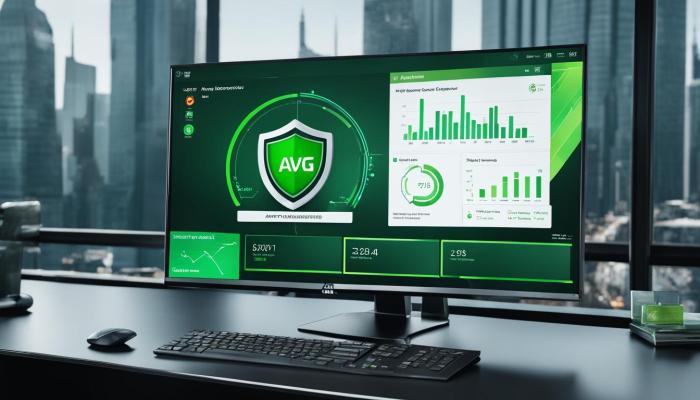
In the crowded landscape of cybersecurity, choosing the right antivirus solution can be daunting, particularly when it comes to pricing. With a variety of providers offering different features and price points, it’s essential to understand how these factors play into your decision-making process. This comparison will shed light on the pricing structures of leading antivirus solutions and how they stack up against emerging alternatives.
When analyzing antivirus license pricing, it’s important to consider not only the cost but also the overall value offered by each solution. Established brands often provide more comprehensive features, support, and reliability, while new entrants may offer competitive pricing to attract customers. The significance of this comparison lies in understanding what you are paying for versus what you actually need.
Pricing Comparison Table of Leading Antivirus Solutions
Below is a comparative analysis of several leading antivirus solutions along with their pricing models:
| Provider | Basic Plan (Annual) | Premium Plan (Annual) | Business Plan (Annual) |
|---|---|---|---|
| Norton | $59.99 | $79.99 | $99.99 |
| McAfee | $49.99 | $89.99 | $129.99 |
| Kaspersky | $49.99 | $74.99 | $109.99 |
| Bitdefender | $39.99 | $89.99 | $139.99 |
| Emerging Solutions (e.g., Malwarebytes) | $39.99 | $59.99 | $89.99 |
The table above illustrates a clear distinction between the pricing of established antivirus brands and emerging solutions. As seen, established brands like Norton and McAfee typically charge higher premiums for their comprehensive offerings. In contrast, new entrants such as Malwarebytes present lower pricing, targeting budget-conscious consumers while still providing essential security features.
“Price does not always equate to value; sometimes, a lower-cost solution can meet basic needs without the frills.”
The disparity in pricing can often be attributed to various factors, including brand reputation, marketing expenditures, and the breadth of services provided. Established firms have invested heavily in brand trust and customer service, while newer players may focus on providing core antivirus features at a lower cost.
Understanding the balance between price and value is critical when selecting antivirus software. While it may be tempting to opt for the cheapest option available, it’s essential to evaluate what features are included and how well they meet the specific needs of your business. Factors such as customer support, additional security features, and update frequency can significantly impact the overall value of the software. Always consider these aspects alongside the initial license cost to ensure informed decision-making.
Strategies for Cost-Effective Antivirus Licensing
In the ever-evolving landscape of cyber threats, securing an effective antivirus solution is essential for businesses. However, balancing security needs with budget constraints can be a challenging endeavor. Understanding cost-effective strategies for antivirus licensing can empower organizations to make informed decisions without compromising their digital safety.
Negotiating Better Pricing with Antivirus Vendors
Engaging in negotiations with antivirus vendors can significantly reduce overall costs. Here are some effective methods to consider during the negotiation process:
- Research Competitor Pricing: Understanding how your vendor’s pricing compares to competitors can provide leverage in negotiations. Having multiple quotes can strengthen your position.
- Highlight Long-term Commitment: If you’re willing to commit to a longer contract, vendors may offer discounts in exchange for guaranteed business over an extended period.
- Leverage Existing Relationships: If your business has previously worked with a vendor, use that history to negotiate better terms or discounts as a loyal customer.
- Ask for Bundled Services: Consider negotiating a package deal that includes additional services or features, which can often lead to a lower overall price compared to purchasing services separately.
Bulk Purchasing Options and Potential Savings
Bulk purchasing of antivirus licenses can unlock significant savings for businesses. Acquiring licenses in larger quantities often leads to lower per-license costs, ultimately benefiting the business financially. Here are some considerations:
- Volume Discounts: Many antivirus vendors offer substantial discounts for bulk purchases, which can result in considerable savings, especially for organizations with multiple employees or devices.
- Custom Licensing Agreements: Engaging with vendors to create custom licensing agreements tailored to your organization’s size and needs can yield better pricing structures.
- Shared Licenses with Affiliates: If your business is part of a network or partnership, consider pooling resources to purchase licenses collectively and benefit from bulk pricing.
Trial Periods and Free Versions for Decision-Making, Business antivirus license pricing
Many antivirus providers offer trial periods and free versions of their software, which can aid in the decision-making process. Exploring these options allows businesses to evaluate products thoroughly before committing to a purchase:
- Trial Versions: Taking advantage of trial versions allows businesses to assess the effectiveness and features of antivirus software without upfront costs. It’s an opportunity to test compatibility with existing systems.
- Freemium Models: Certain antivirus vendors provide basic versions of their software for free, which can be suitable for smaller businesses or as a temporary solution while evaluating other options.
- User Feedback and Reviews: During trial periods, gather feedback from employees regarding usability and performance, which can guide the final selection and help justify the investment.
FAQ Guide
What are common pricing models for antivirus licenses?
Common pricing models include subscription-based services, which charge monthly or annually, and one-time purchases that grant perpetual licenses.
How do bulk purchases affect antivirus pricing?
Bulk purchases typically offer significant discounts, making them a cost-effective option for businesses with many devices.
Are free versions of antivirus software effective for businesses?
While free versions can provide basic protection, they often lack advanced features and support that businesses need.
What factors should be considered when choosing antivirus software?
Consider factors such as the number of devices, required features, support services, and overall cost versus value.
Can I negotiate pricing with antivirus vendors?
Yes, many vendors are open to negotiation, especially for large contracts or long-term commitments, so it’s worth asking for better terms.
In today’s digital landscape, protecting your PC from threats is crucial. One effective way to enhance your security is by using ransomware protection software for PC , which can safeguard your files against malicious attacks. By implementing such software, you can enjoy peace of mind knowing that your data is secure from potential ransomware threats.
For businesses, ensuring the security of endpoints is paramount. Adopting an enterprise endpoint protection solution allows organizations to monitor and protect all devices connected to their network. This proactive approach not only mitigates risks but also fosters a safer working environment for employees, ensuring that sensitive information is kept out of reach from cybercriminals.