Ransomware protection software for PC is more than just a safety net; it’s your digital shield against the rising tide of cyber threats. As our reliance on technology grows, so does the sophistication of ransomware attacks, making it imperative for every PC user to prioritize their security. Understanding what features to look for, the best options available, and how to optimize your software can empower you to stay one step ahead of cybercriminals.
This guide delves into the realm of ransomware protection, offering insights into essential features, installation procedures, best practices, and troubleshooting tips. Whether you’re a novice user or a seasoned techie, equipping yourself with this knowledge is crucial in today’s digital landscape.
Overview of Ransomware Protection Software for PC
The threat of ransomware attacks has escalated in recent years, putting both personal and business data at risk. Ransomware protection software is an essential tool for PC users looking to safeguard their valuable information from malicious encryptions and extortion. Understanding the significance of this software is vital for anyone who relies on their computer for daily operations, whether for work, personal use, or managing sensitive information.
Ransomware protection software acts as a shield against various types of ransomware that can effectively lock users out of their files unless a ransom is paid. These attacks can result in significant financial loss and data compromise. As such, it is crucial to select a solution that not only prevents these threats but also offers comprehensive protection features. Key aspects to consider include real-time scanning, automatic updates, and backup functionalities. With the right software, users can boost their defenses against this growing menace.
Main Features of Ransomware Protection Software
Selecting the right ransomware protection software involves understanding its key features that enhance security and ease of use. The following features are essential for robust protection:
- Real-Time Threat Detection: This feature continuously monitors system activities and scans files for suspicious behavior, ensuring timely alerts about potential ransomware attacks.
- Automatic Updates: Keeping the software updated with the latest threat definitions is crucial. Automatic updates ensure that users are protected against newly emerging ransomware variants.
- Backup and Restore Functionality: Effective software should include backup options to secure files and allow easy restoration in case of an attack.
- User-Friendly Interface: A straightforward interface allows users of all technical abilities to navigate the software and access protection features effortlessly.
- Comprehensive Reporting: Detailed logs and reports help users understand threats and the actions taken by the software, improving security awareness.
Comparison of the Top Five Ransomware Protection Software, Ransomware protection software for PC
When evaluating ransomware protection software for PC, consider the following top five options, each offering unique strengths and capabilities that cater to varying user needs:
| Software | Real-Time Protection | Backup Capabilities | User Rating |
|---|---|---|---|
| Bitdefender | Yes | Cloud and Local | 9.5/10 |
| Norton | Yes | Local Backup | 9.0/10 |
| Kaspersky | Yes | Cloud Backup | 9.2/10 |
| Malwarebytes | Yes | Manual Backup | 9.1/10 |
| McAfee | Yes | Local and Cloud | 8.8/10 |
These software solutions have been evaluated based on their effectiveness in preventing ransomware attacks, ease of use, and overall user satisfaction. Each provides unique features to suit different preferences, making it easier for users to choose an option that aligns with their specific security needs.
“The best defense against ransomware is a comprehensive protection strategy that combines preventive measures with data backup solutions.”
Installation and Setup Procedures: Ransomware Protection Software For PC
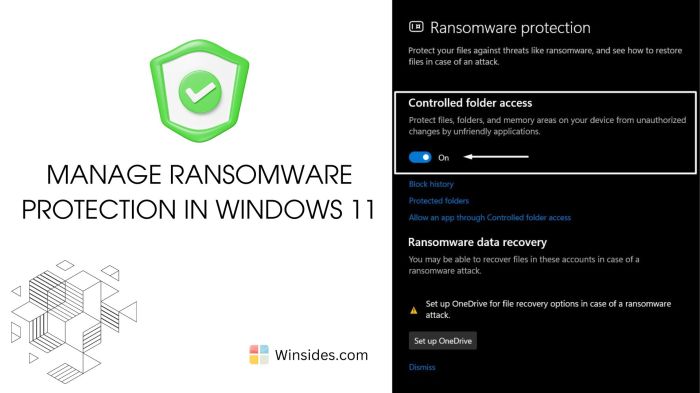
When it comes to safeguarding your PC from ransomware, the installation and setup of dedicated protection software are crucial steps. A well-executed installation process can lay the groundwork for a secure environment, ensuring that your files and sensitive data remain protected from malicious attacks. The following guide will walk you through the essential procedures and configurations needed to optimize the effectiveness of your ransomware protection software.
Step-by-Step Installation Process
Installing ransomware protection software involves several straightforward steps. Follow this guide for a smooth installation experience:
1. Download the Software:
Visit the official website of your chosen ransomware protection software. Ensure that you download the version compatible with your operating system.
2. Run the Installer:
Locate the downloaded file, usually in your ‘Downloads’ folder, and double-click to run the installer. You may need administrative privileges to proceed.
3. Accept the License Agreement:
Review the terms and conditions presented. To continue, you must agree to the license agreement.
4. Select Installation Type:
Opt for a standard installation for typical users or a custom installation if you wish to modify the default settings.
5. Choose the Installation Location:
The software will typically default to the ‘Program Files’ directory. You can change the location if necessary, but it’s recommended to keep it in the default location.
6. Complete Installation:
Click on the ‘Install’ button and wait for the process to finish. After installation, you may need to restart your computer to complete the setup.
7. Activate the Software:
Upon reboot, open the software and enter the activation key if applicable. Some software may require you to create an account for full access.
8. Run Initial Scan:
After activation, initiate an initial system scan to identify any potential threats on your PC.
Common Configuration Settings
Configuring settings properly enhances the software’s effectiveness against ransomware attacks. Here are some essential configurations to consider:
– Real-Time Protection: Enable real-time protection to monitor files and processes continuously for suspicious activities.
– Automatic Updates: Set the software to update automatically to ensure you have the latest virus definitions and protection features.
– Scheduled Scans: Configure periodic scans to ensure ongoing detection of ransomware and other threats.
– Exclusion List: Create an exclusion list for files or folders that are safe and should not be scanned, reducing false positives.
– Notifications and Alerts: Customize notification settings to receive alerts for detected threats or software updates promptly.
Comparison of Setup Processes
To help you navigate the setup procedures, the following table illustrates the differences in installation processes among popular ransomware protection software options:
| Software | Installation Steps | Default Settings |
|---|---|---|
| Norton Security | Download, Run Installer, Accept Agreement, Install | Real-Time Protection enabled, Regular Updates |
| McAfee Total Protection | Download, Install, Create Account | Automatic Scanning, Real-Time Protection enabled |
| Bitdefender Antivirus | Download, Run Installer, Customize Installation | Default Protection Settings, Automatic Updates |
| Kaspersky Internet Security | Download, Accept Agreement, Install | Real-Time Protection, Scheduled Scans enabled |
Best Practices for Using Ransomware Protection Software
Using ransomware protection software is a crucial step in safeguarding your PC against malicious attacks that can compromise your data. To ensure that your software functions effectively, adhering to best practices is essential. This guide will provide insights into the importance of regular updates, the necessity of complementary security measures, and a clear list of do’s and don’ts while utilizing ransomware protection software.
Regular Updates for Optimal Security
Keeping your ransomware protection software updated is vital for maintaining the highest level of security. Software developers frequently release updates to address vulnerabilities and enhance features. The importance of regular updates cannot be overstated, as they often contain critical patches that protect your system from the latest threats.
To ensure you are receiving these essential updates, consider the following practices:
- Enable automatic updates to ensure your software is always current.
- Regularly check for manual updates if automatic updates are not available.
- Stay informed about the latest threats through the software’s news section or official website.
Complementary Security Measures
While ransomware protection software is a key defense mechanism, it should not be your sole line of defense. Implementing complementary security measures will significantly bolster your overall security posture. This multi-layered approach creates barriers that are harder for cybercriminals to penetrate.
Consider these additional security measures:
- Use a reputable antivirus program to catch potential threats early.
- Employ a firewall to monitor and control incoming and outgoing network traffic.
- Regularly back up your data to an external drive or cloud service to ensure recoverability in case of an attack.
- Educate yourself and your team about phishing scams and safe browsing practices.
Do’s and Don’ts of Ransomware Protection Software
Understanding the proper etiquette when using ransomware protection software can greatly enhance your protection. Adhering to a set of do’s and don’ts will help you maximize the effectiveness of your software.
Here’s a useful list to guide you:
Do’s:
- Do regularly review the software’s performance metrics to ensure it’s functioning as expected.
- Do take advantage of customer support if you’re experiencing issues with the software.
- Do follow the software’s recommended security settings for optimal performance.
Don’ts:
- Don’t disable your ransomware protection software, even temporarily.
- Don’t ignore alerts or notifications from the software; they are crucial for your security.
- Don’t rely solely on ransomware protection software; use it in conjunction with other security measures.
Troubleshooting and Support
Ransomware protection software plays a vital role in safeguarding your PC from malicious attacks, but users may encounter various issues during its use. Understanding these common problems and their solutions is essential for maintaining the efficacy of your security measures and ensuring continued protection against ransomware threats.
Identifying and resolving issues with ransomware protection software can sometimes be a straightforward process. Common problems can range from software installation errors to performance issues that affect the overall functionality of the program. Here are some frequent issues users might encounter along with solutions to address them:
Common Issues and Solutions
When using ransomware protection software, users may experience a variety of challenges. Below are some prevalent issues and the steps to resolve them:
1. Installation Issues:
– Sometimes, users may face difficulties during the installation process. This can occur due to insufficient system requirements or conflicts with existing software.
– Solution: Ensure your PC meets the minimum system requirements and temporarily disable any conflicting software before attempting installation again.
2. Software Not Updating:
– Failing to update the software can leave your system vulnerable. This may happen if the update settings are misconfigured or if there is a network issue.
– Solution: Check your internet connection and review the update settings within the software. Manually initiate the update process if automatic updates are not functioning.
3. Performance Slowdowns:
– Users may notice their PC running slower after installing the software. This can be attributed to high resource usage by the security application.
– Solution: Adjust the software settings to reduce its impact on system performance, such as scheduling scans during off-peak hours or excluding certain files from real-time scanning.
4. False Positives:
– Sometimes, legitimate files may be flagged as threats, leading to unnecessary concern.
– Solution: Review the quarantined files and restore any that are incorrectly identified as threats. Most software allows you to whitelist certain files for future scans.
5. Inaccessibility of Features:
– Users may not have access to specific features due to license limitations or incorrect configuration.
– Solution: Ensure that the software license is valid and fully active. Check the settings to confirm that all features are enabled as per your subscription plan.
“The effectiveness of ransomware protection software relies not only on its features but also on the availability of robust customer support. Users should feel empowered to reach out for help rather than struggling in silence.”
Accessing customer support can be crucial when resolving issues with your ransomware protection software. Most reputable software providers offer various support resources such as comprehensive FAQs, live chat options, or dedicated phone numbers for technical assistance. These resources ensure that users can quickly overcome any obstacles and maintain their protection against potential ransomware threats. Always take advantage of these support avenues to optimize the functionality of your security software and keep your system safe.
Essential Questionnaire
What is ransomware protection software?
Ransomware protection software is a program designed to prevent, detect, and remove ransomware threats from your computer, safeguarding your data from being locked or stolen by cybercriminals.
How often should I update my ransomware protection software?
It’s recommended to update your ransomware protection software regularly, ideally on a daily basis, to ensure you have the latest security patches and threat definitions.
Can ransomware protection software completely eliminate the risk of an attack?
No security measure can guarantee complete protection, but effective ransomware protection software can significantly reduce the risk and impact of an attack.
Are free ransomware protection software options effective?
While some free options can offer basic protection, paid solutions typically provide more comprehensive features and support, which are crucial for robust security.
What should I do if my PC gets infected with ransomware?
If your PC gets infected, immediately disconnect from the internet, run a ransomware removal tool, and consider restoring your data from backups if available.
Examine how small business cybersecurity software can boost performance in your area.
Discover more by delving into best antivirus software 2026 for Windows 11 further.