Enterprise endpoint protection solution stands as a crucial pillar in the realm of modern cybersecurity. As organizations increasingly rely on digital infrastructures, the need for robust protection against cyber threats has never been greater. This solution not only safeguards endpoints from malware and attacks but also integrates seamlessly into the broader cybersecurity strategy of businesses, ensuring that every device is fortified against potential breaches.
In today’s fast-paced digital landscape, understanding the core components and technologies of enterprise endpoint protection solutions is essential. These solutions encompass a variety of features such as threat detection and response, all tailored to meet the complex needs of organizations. With cybercriminals constantly evolving their tactics, it’s vital for companies to stay a step ahead and implement effective endpoint protection measures.
Overview of Enterprise Endpoint Protection Solutions
In the rapidly evolving landscape of cybersecurity, enterprise endpoint protection solutions serve as a critical line of defense for organizations. These solutions are designed to safeguard endpoints—such as laptops, desktops, and mobile devices—from a myriad of cyber threats, ensuring data integrity and business continuity. As cyberattacks become more sophisticated, the significance of comprehensive endpoint protection cannot be overstated.
Enterprise endpoint protection involves a suite of technologies that work in unison to identify, prevent, and respond to security incidents. Key components include antivirus and anti-malware software, firewalls, intrusion detection systems (IDS), and endpoint detection and response (EDR) capabilities. These tools enable organizations to monitor endpoint activity, detect anomalies, and respond to potential threats in real-time. Furthermore, integrating machine learning and artificial intelligence enhances the effectiveness of these solutions by enabling proactive threat detection and risk assessment.
Key Components of Endpoint Protection Solutions
An effective enterprise endpoint protection solution is multifaceted, comprising various components that collectively strengthen an organization’s security posture. Each element plays a vital role in ensuring comprehensive protection against evolving threats. The following key components are essential:
- Antivirus and Anti-malware: These tools are fundamental in detecting and eliminating malicious software, including viruses, worms, and ransomware. Regular updates ensure protection against the latest threats.
- Firewalls: Firewalls act as a barrier between trusted internal networks and untrusted external networks, monitoring and controlling incoming and outgoing network traffic based on predetermined security rules.
- Intrusion Detection Systems (IDS): IDS monitor network traffic for suspicious activity and potential threats, providing alerts to administrators for immediate investigation and response.
- Endpoint Detection and Response (EDR): EDR solutions offer advanced threat detection capabilities, enabling organizations to investigate and respond to security incidents on endpoints through continuous monitoring and data collection.
- Data Loss Prevention (DLP): DLP technologies help prevent sensitive data from being lost, misused, or accessed by unauthorized users, ensuring compliance with data protection regulations.
By implementing these components, organizations can establish a robust security architecture that effectively mitigates risks and protects valuable assets.
Integration of Endpoint Protection in Cybersecurity Strategy
Endpoint protection is not just a standalone solution but an integral part of a broader cybersecurity strategy. Its role in enhancing an organization’s security framework is paramount. Integrating endpoint protection into the cybersecurity strategy fosters a holistic approach to risk management and threat mitigation. Some critical aspects include:
- Risk Assessment: Understanding the potential vulnerabilities and threats to endpoints helps in identifying areas requiring enhanced protection.
- Threat Intelligence Sharing: Sharing threat intelligence across departments and with external partners can improve response times and incident handling through collaborative efforts.
- Incident Response Planning: Having a well-defined incident response plan ensures that organizations can effectively manage security breaches and minimize disruption to operations.
- Employee Training and Awareness: Educating employees about security best practices enhances the overall effectiveness of endpoint protection measures by reducing human-related risks.
- Compliance and Governance: Implementing endpoint protection solutions helps organizations meet regulatory requirements and industry standards, thereby avoiding potential legal and financial ramifications.
Through seamless integration of endpoint protection within the overall cybersecurity strategy, organizations can better safeguard their assets and maintain a resilient defense against the continually evolving threat landscape.
Features and Functions of Endpoint Protection Solutions
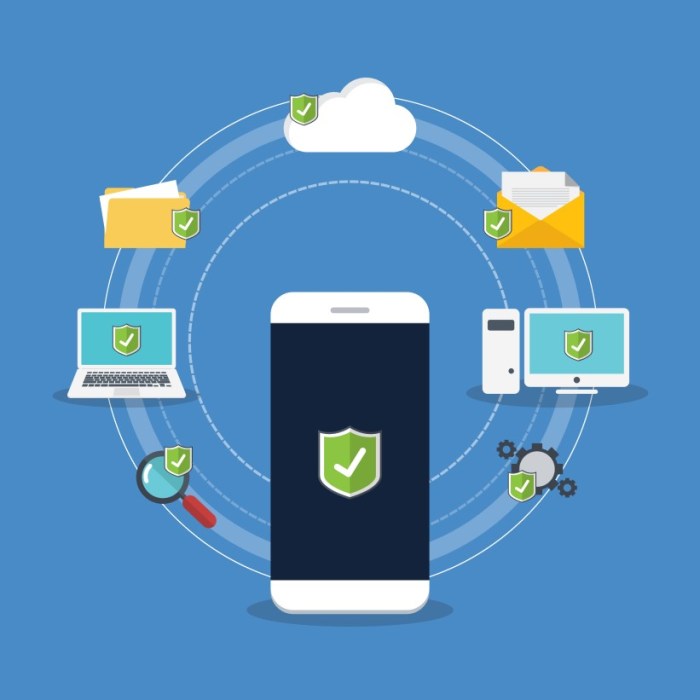
In today’s digital landscape, protecting endpoints—such as devices and networks—has become paramount for organizations. The right endpoint protection solution not only secures devices from threats but also enhances operational efficiency. Understanding the key features and functions of these solutions is essential for businesses aiming to safeguard their information assets effectively.
Endpoint protection solutions come equipped with a variety of features that distinguish advanced options from basic offerings. Organizations must recognize these differences to make informed decisions tailored to their security needs.
Essential Features of Top-tier Endpoint Protection Solutions
A comprehensive endpoint protection solution encompasses several critical features. These elements ensure robust security for devices and sensitive data. Here are some essential features that set high-quality solutions apart:
- Advanced Threat Detection: Utilizing machine learning and behavioral analysis to identify anomalies and potential threats in real-time.
- Comprehensive Malware Protection: Shielding against a variety of malware types, including viruses, ransomware, and spyware.
- Data Loss Prevention: Implementing measures to prevent unauthorized data transfers and leaks.
- Centralized Management Console: Offering a unified interface for managing security policies across all endpoints, enhancing visibility and control.
- Automated Response Capabilities: Enabling automatic isolation and remediation of threats once detected, minimizing manual intervention.
Functionalities of Threat Detection, Prevention, and Response
Effective endpoint protection goes beyond simple detection; it involves a triad of functionalities that includes detection, prevention, and response. Each plays a pivotal role in maintaining a secure environment.
– Threat Detection: This functionality employs advanced analytics to identify potential threats based on behavior and signatures. For instance, a solution might flag unusual network traffic patterns or unauthorized software installations, indicating a possible breach.
– Threat Prevention: Prevention measures are designed to block threats before they can cause harm. This includes utilizing firewalls, intrusion prevention systems (IPS), and sandboxing, which allows suspicious files to be run in a controlled environment to assess their behavior without affecting the system.
– Threat Response: In the event of a detected threat, quick response actions are critical. This can include automatically quarantining infected files, notifying administrators, and initiating cleanup processes to restore systems to a secure state.
Comparison of Endpoint Protection Products
When evaluating different endpoint protection products, it’s helpful to compare their features side by side. The table below highlights the distinctions among several popular solutions in the market.
| Product Name | Advanced Threat Detection | Malware Protection | Data Loss Prevention | Centralized Management | Automated Response |
|---|---|---|---|---|---|
| Product A | Yes | Comprehensive | Basic | Yes | No |
| Product B | Yes | Comprehensive | Advanced | Yes | Yes |
| Product C | No | Basic | No | Yes | No |
| Product D | Yes | Comprehensive | Advanced | Yes | Yes |
Each endpoint protection product varies in capabilities, and understanding these differences is essential for organizations to choose the right solution that fits their security needs and budget while ensuring a robust defense against cyber threats.
Implementation and Management of Endpoint Protection
Implementing an enterprise endpoint protection solution is a critical step for organizations aiming to secure their digital assets. This process involves a series of systematic steps tailored to fit the specific needs of the organization. Proper implementation not only protects sensitive data but also enhances overall productivity by mitigating risks associated with cyber threats.
The implementation of an enterprise endpoint protection solution requires careful planning and execution. Organizations must consider their existing IT infrastructure, assess potential vulnerabilities, and define the scope of protection required. A successful implementation strategy typically involves the following steps:
Steps for Implementing Endpoint Protection
The implementation process can be broken down into several key steps, ensuring that each aspect of security is adequately addressed.
- Assessment of Current Infrastructure: Evaluate the existing IT environment, identifying devices, operating systems, and applications in use.
- Risk Analysis: Perform a thorough risk assessment to understand potential threats and vulnerabilities that the organization faces.
- Define Security Policies: Establish clear security policies that govern the use of devices and data access within the organization.
- Select the Right Solution: Choose an endpoint protection solution that aligns with the organization’s needs, considering factors like scalability and compatibility.
- Deployment: Implement the chosen endpoint protection solution across all devices, ensuring proper configuration and integration with existing systems.
- Training and Awareness: Conduct training sessions for employees to familiarize them with the new security measures and instill best practices for cybersecurity.
- Monitoring and Maintenance: Set up continuous monitoring to detect and respond to potential threats in real-time, along with regular updates to maintain system integrity.
This structured approach ensures that the organization effectively mitigates risks while fostering a culture of cybersecurity awareness.
Best Practices for Managing Endpoint Protection Solutions
Effectively managing endpoint protection solutions is vital for maintaining optimal performance and ensuring robust security. Here are some best practices that organizations should adopt:
“Continuous monitoring and regular updates are essential for defending against evolving cybersecurity threats.”
1. Regular Updates and Patches: Keep the endpoint protection software up-to-date with the latest security patches to defend against new vulnerabilities.
2. Monitoring Logs: Regularly review security logs to identify unusual activities or potential breaches, allowing for timely responses to threats.
3. User Access Controls: Implement strict access controls to ensure that only authorized personnel can access sensitive data and systems.
4. Incident Response Plan: Develop and maintain an incident response plan that Artikels the steps to be taken in the event of a security breach, minimizing damage and recovery time.
5. Employee Training: Continually educate employees on the latest cybersecurity threats and engage them in security practices to enhance the organization’s overall security posture.
Considerations for Selecting an Endpoint Protection Vendor, Enterprise endpoint protection solution
Choosing the right endpoint protection vendor is crucial for effective cybersecurity. Organizations should consider various factors to ensure they select a solution that meets their needs. Here’s a checklist of key considerations:
“A well-chosen vendor can significantly enhance an organization’s cybersecurity capabilities.”
– Reputation and Reliability: Research the vendor’s history, customer reviews, and case studies to gauge their reliability and effectiveness in the market.
– Comprehensive Features: Ensure the solution offers a full suite of features, including malware protection, data encryption, and advanced threat detection.
– Scalability: The solution should be able to scale according to your organization’s growth and changing needs without compromising security.
– Integration Capabilities: Assess how well the endpoint protection solution integrates with existing systems and software used within the organization.
– Customer Support: Evaluate the vendor’s support services, including availability of technical support, resources, and training for users.
– Cost-Effectiveness: Analyze the cost in relation to the features offered, ensuring it fits within the organization’s budget while providing adequate protection.
By carefully considering these factors, organizations can make informed decisions that enhance their cybersecurity posture and protect their critical assets.
Future Trends in Endpoint Protection Solutions
As the digital landscape evolves, so do the threats that organizations face. The future of endpoint protection solutions is not just about enhancing current security measures but adapting to a rapidly changing technological environment. Emerging technologies like artificial intelligence (AI) and machine learning (ML) are poised to reshape how organizations approach endpoint security, driving innovation and effectiveness in protecting critical assets.
The integration of AI and ML into endpoint protection solutions offers an intelligent, adaptive approach to identifying and mitigating threats. These technologies enable systems to analyze vast amounts of data in real time, allowing for proactive measures against potential breaches. The potential for behavior-based detection, coupled with automated response capabilities, signifies a major leap forward in threat management, turning reactive strategies into proactive safeguards.
Emerging Technologies Shaping Endpoint Protection
Several emerging technologies are influencing the development of endpoint protection solutions, providing organizations with innovative tools to combat sophisticated cyber threats. These include:
- Artificial Intelligence: AI algorithms can analyze user behavior and detect anomalies that indicate potential security threats, enhancing detection accuracy.
- Machine Learning: ML models can continuously learn from past incidents, improving their ability to predict and prevent future attacks based on emerging patterns.
- Zero Trust Architecture: This security model operates on the principle of “never trust, always verify,” ensuring that every access request is thoroughly authenticated.
- Extended Detection and Response (XDR): XDR integrates multiple security products into a cohesive system for a broader view of threats across endpoints, networks, and cloud environments.
- Automation and Orchestration: Automated responses to threats can significantly reduce the time it takes to mitigate incidents, minimizing damage and downtime.
Challenges and Opportunities in Endpoint Protection
The evolving landscape of cybersecurity presents both challenges and opportunities for endpoint protection solutions. Organizations must navigate these complexities to ensure robust defenses. The following points Artikel anticipated challenges and opportunities:
- Increased Sophistication of Attacks: Cybercriminals are employing advanced tactics, requiring endpoint protection to evolve continuously to defend against new threats.
- Integration of Multiple Security Solutions: The necessity for compatibility among different security tools can complicate management and increase vulnerability if not properly addressed.
- Data Privacy Regulations: Compliance with regulations such as GDPR and CCPA presents challenges in data handling and security measures.
- Workforce Mobility: As remote work becomes the norm, securing endpoints outside traditional networks presents unique challenges.
- Opportunities in AI Implementation: The use of AI and ML can lead to more effective threat detection and response, offering a competitive edge in cybersecurity.
“The future of endpoint protection lies in harnessing the power of AI and ML to build systems that not only defend against threats but also anticipate them.”
FAQ Guide: Enterprise Endpoint Protection Solution
What is an enterprise endpoint protection solution?
An enterprise endpoint protection solution is a comprehensive security framework designed to protect networked devices such as laptops, desktops, and servers from various cyber threats.
How does endpoint protection fit into an organization’s cybersecurity strategy?
It serves as a critical layer in an organization’s cybersecurity strategy, complementing other security measures to provide a holistic defense against cyber attacks.
What are the key features to look for in an endpoint protection solution?
Essential features include advanced threat detection, real-time monitoring, incident response capabilities, and integration with centralized management tools.
How can organizations implement an endpoint protection solution effectively?
Effective implementation involves assessing the organization’s needs, selecting the right vendor, and establishing clear protocols for maintenance and updates.
What future trends should we watch in endpoint protection?
Future trends include the increased use of AI and machine learning, along with a focus on automation in threat detection and response processes.
Obtain recommendations related to antivirus with VPN and identity protection that can assist you today.
Remember to click business antivirus license pricing to understand more comprehensive aspects of the business antivirus license pricing topic.