Antivirus software with firewall included is your ultimate shield against the ever-evolving threats of the digital world. Imagine a powerful duo that not only detects and eliminates malware but also creates a robust barrier against unauthorized access to your system. This integrated solution offers a seamless experience that standalone products often lack, enhancing both convenience and effectiveness.
With cyber threats becoming increasingly sophisticated, having a combined antivirus and firewall solution means you’re not just reacting to attacks but actively preventing them. Think of it as a fortress for your digital life, ensuring that your data remains safe and your online activities secure. In this guide, we’ll explore the myriad benefits, top options on the market, installation tips, and best practices to maximize your security.
Overview of Antivirus Software with Firewall
In today’s digital landscape, the integration of antivirus software with a firewall has become essential for maintaining robust cybersecurity. These combined solutions provide a fortified barrier against various online threats, ensuring that users can navigate the internet with greater confidence. Understanding the advantages and key features of such integrated solutions can help in making informed decisions regarding digital protection.
The primary purpose of antivirus software is to detect, prevent, and eliminate malicious software that can compromise the integrity of systems and data. When paired with a firewall, which controls incoming and outgoing network traffic based on predetermined security rules, the combined effect creates a comprehensive shield against cyber threats. This synergy not only enhances protection but also simplifies management, making it easier for users to maintain their cybersecurity.
Benefits of Integrated Solutions
Integrated antivirus software with a firewall offers numerous benefits compared to standalone products. By consolidating multiple security functions into a single solution, users can enjoy streamlined protection and enhanced efficiency. Some key benefits include:
- Holistic Security: An integrated solution addresses multiple layers of security, from blocking malware to controlling network traffic in a cohesive manner.
- Cost-Effectiveness: Purchasing a single solution that encompasses both antivirus and firewall functionalities can be more economical than buying separate products.
- Ease of Use: With integrated solutions, users can manage their security settings from a unified interface, reducing the complexity often associated with multiple standalone products.
- Improved Performance: Combined solutions are often optimized to work together smoothly, minimizing the resource strain on devices while maximizing security effectiveness.
Key Features of Antivirus Software with Firewall, Antivirus software with firewall included
When selecting antivirus software that includes a firewall, it is crucial to consider specific features that enhance protection and usability. Important features to look for include:
- Real-Time Scanning: This feature constantly monitors files and applications for malicious behavior to ensure immediate detection and prevention.
- Advanced Threat Protection: Capable of identifying and neutralizing emerging threats, this is vital for staying ahead of evolving cyber attacks.
- Customizable Firewall Settings: Users should have the ability to adjust firewall rules and settings according to their specific needs and preferences.
- Automatic Updates: Regular updates are essential to ensure that both the antivirus definitions and firewall rules are current, protecting against the latest threats.
- User-Friendly Interface: An intuitive design allows users, regardless of technical expertise, to navigate and configure their security settings effectively.
“The combination of antivirus and firewall creates a robust defense that not only protects individual systems but also contributes to a safer online community.”
Top Antivirus Software with Firewall Options
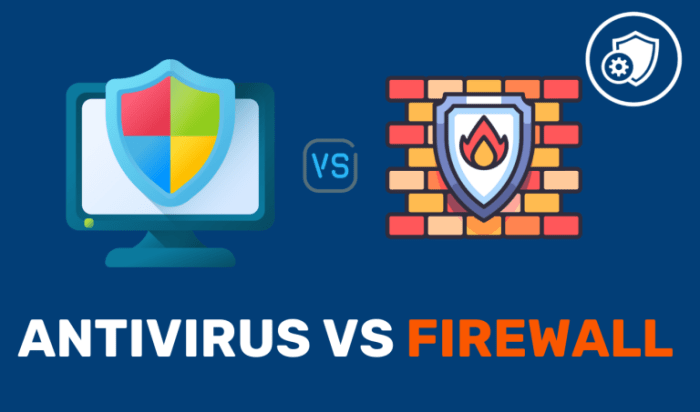
In today’s digital landscape, having robust antivirus software with an integrated firewall is crucial for safeguarding your devices and personal information. While many antivirus solutions promise protection, those that also include a firewall are particularly effective in creating a multi-layered defense against various cyber threats. Here, we will compare some of the leading antivirus software options that come equipped with firewall capabilities, allowing you to make an informed choice.
To aid in your decision-making, we’ve created a detailed comparison table showcasing popular antivirus software that includes a firewall. Each option is assessed based on its unique features, user experiences, and overall effectiveness.
Comparison of Antivirus Software with Firewall
The following table summarizes the key features and user feedback for several top antivirus solutions with built-in firewall protection.
| Software | Unique Features | User Reviews |
|---|---|---|
| Norton 360 |
|
|
| McAfee Total Protection |
|
|
| Kaspersky Total Security |
|
|
| Bitdefender Antivirus Plus |
|
|
| Trend Micro Antivirus+ Security |
|
|
Each of these antivirus software options not only provides strong malware protection but also integrates a firewall that adds an essential layer of security. Users have consistently praised these products for their effectiveness, ease of use, and the peace of mind they offer against cyber threats. Whether you are looking for advanced features like parental controls or a focus on identity theft protection, there’s an antivirus solution with a firewall tailored to meet your needs.
Installation and Configuration Guide
Setting up antivirus software with a firewall is crucial for maintaining a secure computing environment. This guide offers a straightforward approach, ensuring you can effectively install and configure your software to optimize your system’s protection against various threats.
The installation process can vary slightly depending on the software chosen, but generally follows a similar pattern. Below is a step-by-step guide to help you through the installation and configuration of your antivirus software with firewall features.
Step-by-Step Installation Process
Begin by downloading the antivirus software from a reliable source. Ensure that you select the version compatible with your operating system. After downloading, follow these steps for installation:
1. Run the Installer: Locate the downloaded installation file and double-click to run it. You may need administrator privileges to proceed.
2. Agree to the Terms: Carefully read the End User License Agreement (EULA). Click ‘Accept’ to proceed with the installation.
3. Choose Installation Type: Select ‘Typical’ or ‘Custom’ installation. A typical installation is recommended for most users, while custom allows you to select specific components.
4. Select Installation Location: Choose where you want to install the software on your computer. The default location is generally suitable.
5. Install: Click ‘Install’ and wait for the installation process to complete. This may take a few minutes.
6. Activate Your Software: If prompted, enter the activation key or follow the on-screen instructions to activate your antivirus software.
7. Run Initial Scan: After installation, conduct an initial scan of your system to check for any existing threats.
Common Configuration Settings to Enhance Security
Once the installation is complete, configuring your antivirus software is essential for maximizing security. The following settings should be reviewed and customized according to your needs:
– Real-Time Protection: Ensure that real-time protection is enabled. This feature continuously monitors your system for threats.
– Firewall Settings: Check the firewall settings to define which applications can access the internet and which cannot. Enabling the firewall can help block unauthorized access to your computer.
– Scheduled Scans: Set up scheduled scans to run automatically at regular intervals. This ensures ongoing protection without requiring manual intervention.
– Automatic Updates: Enable automatic updates for both antivirus definitions and the software itself. Keeping the software up-to-date is critical to protect against newly emerging threats.
Troubleshooting Common Installation Issues
While installing antivirus software, you may encounter several common issues. Here are solutions to help address them:
1. Installation Freezes or Crashes: Ensure your system meets the software’s minimum requirements. Disable any other security software temporarily, as conflicts can occur.
2. Activation Issues: If the software fails to activate, verify that you entered the correct activation key. Check your internet connection and try again.
3. Error Messages: Note any error messages displayed during installation. Searching the specific error code on the software’s support site can provide targeted solutions.
4. Compatibility Problems: If the software is not compatible with your operating system, ensure you have the latest updates for your OS or consider using an alternative antivirus solution that is compatible.
By following these steps, you can effectively install and configure your antivirus software with firewall capabilities, ensuring that your device remains protected from potential threats.
Best Practices for Using Antivirus Software with Firewall
To ensure the effectiveness of antivirus software combined with firewall protection, adopting best practices is essential. These practices not only enhance security but also ensure that users are aware of the tools at their disposal. By integrating daily habits, regular checks, and user education, the likelihood of cyber threats can be significantly minimized.
Establishing a routine for security maintenance is vital. Implementing daily practices helps reinforce a secure computing environment and deters potential threats. Below are key daily practices to maintain optimal security.
Daily Practices for Optimal Security
Developing a set of daily habits can greatly enhance the protective capabilities of antivirus software and firewalls. These practices include:
- Regular Scans: Schedule daily or weekly scans to detect and eliminate any potential threats before they escalate.
- Monitor Security Alerts: Stay vigilant by checking alerts or notifications from your antivirus and firewall for any suspicious activity.
- Safe Browsing Habits: Avoid visiting untrusted websites and clicking on unknown links that could introduce malware.
- Email Vigilance: Be cautious with email attachments and links, particularly from unknown sources to prevent phishing attacks.
- Use Strong Passwords: Create complex and unique passwords for different accounts, and consider using a password manager.
Periodic checks and updates are crucial for maintaining the effectiveness of antivirus software and firewall settings. Regular maintenance ensures that the software is equipped to handle emerging threats.
Periodic Checks and Updates
Consistent updates are essential for protecting against the latest cybersecurity threats. This section emphasizes the importance of routine checks and updates.
- Software Updates: Ensure that antivirus software and firewall settings are updated regularly to incorporate the latest security features and threat definitions.
- Review Firewall Settings: Periodically review and adjust firewall configurations to enhance network security based on changing needs.
- Check Subscription Status: Monitor the status of software subscriptions to avoid lapses in protection due to expired licenses.
- Backup Data: Regularly back up important data to an external storage device or cloud service to prevent data loss during security incidents.
User education plays a significant role in maximizing the effectiveness of antivirus software and firewalls. Empowering users with knowledge about these security tools helps in creating a safer digital environment.
User Education and Awareness
Educating users about the importance of antivirus software and firewall tools is crucial for maintaining security. Knowledgeable users are more likely to adhere to best practices and recognize potential threats.
- Training Sessions: Conduct regular training sessions to inform users how to recognize security threats and the importance of antivirus and firewall tools.
- Resource Availability: Provide accessible resources, such as guides and FAQs, to help users understand how to utilize security tools effectively.
- Encourage Reporting: Foster an environment where users feel comfortable reporting suspicious activities or potential cybersecurity threats.
- Promote Safe Online Behavior: Share tips on safe browsing, secure passwords, and the significance of regular updates to build a culture of security.
Maintaining constant vigilance and awareness makes a significant difference in cybersecurity effectiveness.
FAQ Section: Antivirus Software With Firewall Included
What is the main benefit of combined antivirus and firewall?
The main benefit is enhanced security, as it provides both malware protection and network security in one solution.
Can I use antivirus software with a separate firewall?
Yes, but an integrated solution often offers better performance and easier management.
How often should I update my antivirus software?
Always keep it updated; ideally, set it to update automatically to ensure you’re protected against the latest threats.
Are free antivirus solutions effective?
While they can offer basic protection, paid solutions typically provide more comprehensive features and better support.
What should I do if my antivirus software detects a threat?
Follow the prompts provided by the software to quarantine or remove the threat, and consider running a full system scan afterward.
Enhance your insight with the methods and methods of best paid antivirus subscription 2026.
Browse the multiple elements of antivirus software for financial transactions to gain a more broad understanding.