Business antivirus license pricing is a crucial topic for any organization aiming to safeguard its digital assets. In a world where cyber threats are constantly evolving, choosing the right antivirus solution can make or break a business’s security posture. With an array of options available, understanding the pricing models and what influences those prices is essential in making informed decisions.
This discussion will explore the landscape of business antivirus solutions, highlighting key features that set them apart, the various pricing models available, and the factors influencing overall costs. From small startups to large enterprises, this overview will equip you with the necessary insights to navigate the often-complex world of antivirus licensing.
Business Antivirus Solutions Overview
In an era where cyber threats loom large, business antivirus solutions have emerged as a fundamental necessity for organizations of all sizes. With the increasing sophistication of malware and cyberattacks, these tools serve not merely as a protective layer but as a comprehensive defense system against data breaches and threats to sensitive information. Businesses must navigate the sea of available antivirus solutions, each boasting a plethora of features intended to safeguard digital assets.
The importance of robust antivirus software is underscored by the rising incidents of cybercrime, which have forced businesses to rethink their security strategies. A well-chosen antivirus program can mean the difference between a secure network and a costly data breach. Below are some key business antivirus solutions available in the market, highlighting their defining features.
Key Features of Business Antivirus Solutions, Business antivirus license pricing
Understanding the features that differentiate antivirus solutions is crucial for businesses. Here are some common essential features that can help organizations make informed choices:
- Real-time Protection: Continuous monitoring and defense against threats as they occur, ensuring that malware is intercepted before it can inflict harm.
- Multi-Platform Support: Compatibility across various operating systems, including Windows, macOS, and mobile devices, allowing for comprehensive security in diverse environments.
- Centralized Management: A unified dashboard for managing security protocols across multiple devices, facilitating easier control and oversight for IT departments.
- Regular Updates: Automatic updates that ensure the antivirus software remains effective against the latest threats, providing peace of mind for businesses.
- Advanced Threat Detection: Utilization of machine learning and AI to identify and neutralize unknown threats more effectively than traditional methods.
- Data Encryption: Safeguarding sensitive information through encryption, especially for businesses handling confidential client data or proprietary information.
- Incident Response: Capabilities that allow for rapid response and recovery from security incidents, minimizing potential downtime and loss.
Each of these features plays a critical role in fortifying a business’s cybersecurity posture. For instance, real-time protection is paramount; it equips organizations to combat threats as they emerge, reducing the window of vulnerability. Similarly, advanced threat detection methodologies harness the power of artificial intelligence to stay ahead of the curve, identifying potential threats that traditional systems might overlook.
“In today’s digital landscape, the choice of antivirus solution can significantly impact a business’s overall security strategy and resilience against cyber threats.”
Selecting the right antivirus solution involves evaluating these features in the context of specific business needs, industry regulations, and existing IT infrastructure. By investing in a robust antivirus system, companies not only protect their assets but also reinforce customer trust and compliance with data protection standards.
Pricing Models for Business Antivirus Licenses
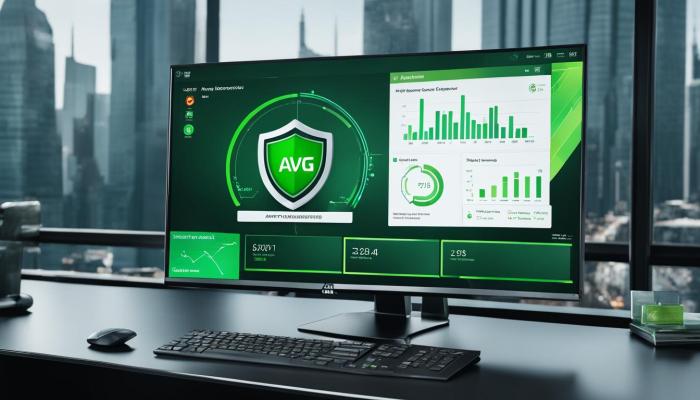
Selecting the right pricing model for business antivirus licenses is crucial for organizations looking to protect their digital assets effectively. Various options are available, and understanding these can help businesses make informed decisions that align with their operational needs and budget constraints.
Pricing models generally fall into two main categories: subscription licensing and perpetual licensing. Each model has its unique characteristics, advantages, and potential drawbacks that can significantly influence a business’s overall cybersecurity budget.
Subscription Licensing
Subscription licensing is a model where businesses pay a recurring fee to use the antivirus software over a specified period, typically monthly or annually. This model offers flexibility and is particularly appealing to small and medium-sized enterprises (SMEs) that prefer predictable budgeting.
Key features of subscription licensing include:
- Lower Upfront Costs: Businesses avoid the heavy initial investment associated with purchasing perpetual licenses.
- Automatic Updates: The service includes continuous updates and upgrades, ensuring that the software remains current against evolving threats.
- Scalability: Companies can easily adjust their subscription levels according to changing needs, such as adding more users or features.
On the flip side, the long-term costs can accumulate if the software is used for an extended period. This model is often more cost-effective for smaller companies that may lack the resources for substantial upfront expenditures.
Perpetual Licensing
Perpetual licensing allows businesses to pay a one-time fee for the software, granting them indefinite use. This model is often favored by larger enterprises that can afford the initial cost and prefer to budget for IT solutions over a longer term.
Considerations for perpetual licensing include:
- Higher Initial Investment: The upfront cost can be significant, which may be a barrier for smaller businesses.
- Long-Term Ownership: Once purchased, the software can be used without ongoing fees, assuming maintenance costs are managed appropriately.
- Potential Savings Over Time: For organizations using the antivirus software for many years, perpetual licensing can ultimately be more economical.
However, this model often requires separate fees for upgrades and technical support, which can lead to hidden costs.
Cost-Effectiveness for Different Enterprise Sizes
When comparing the cost-effectiveness of subscription versus perpetual licensing, the size of the enterprise plays a significant role. For smaller businesses, the subscription model often proves more advantageous due to its lower upfront costs and the ability to scale as necessary without substantial financial risk.
In contrast, larger enterprises may benefit from perpetual licensing, particularly if they can leverage the software for a long duration. While the upfront cost is higher, it can lead to significant savings over the software’s lifecycle.
Hidden Costs in Business Antivirus Solutions
While evaluating pricing models, it is essential to consider hidden costs that may influence overall expenditures. Some of these hidden costs include:
- Support and Maintenance Fees: Ongoing technical support and maintenance can incur additional costs that are not always highlighted in the initial pricing.
- Training Costs: Employees may require training to use the antivirus software effectively, which can add to the overall budget.
- Integration Costs: Costs associated with integrating the antivirus software into existing IT infrastructure can also be overlooked.
- Cost of Downtime: If the antivirus solution fails, the financial impact of downtime can far exceed the initial savings from choosing a less comprehensive solution.
Understanding these elements will enable businesses to compare pricing models more accurately and select a solution that offers the best value for their specific needs.
Factors Influencing Business Antivirus Licensing Costs
The pricing of business antivirus licenses is not a one-size-fits-all scenario. Various elements come into play that can significantly influence how much an organization will pay for these essential cybersecurity solutions. Understanding these factors can help businesses make informed decisions when choosing the right antivirus solutions to protect their assets effectively.
Number of Endpoints and Required Features
One of the most critical factors affecting the cost of business antivirus licenses is the number of endpoints that need protection. An endpoint can be any device connected to the network, including computers, servers, mobile devices, and IoT devices. The more endpoints an organization has, the higher the licensing costs typically become. This is largely due to the increased resources required to manage and monitor a larger number of devices.
Moreover, the specific features included in the antivirus solution significantly impact pricing. Organizations may require advanced features such as intrusion detection, data loss prevention, cloud backup, and remote management capabilities, which can elevate costs. For instance, a basic antivirus package may start around $30 per endpoint annually, while a comprehensive solution with enhanced features might exceed $100 per endpoint.
Size of the Organization
The size of an organization is another pivotal factor influencing licensing costs. Small businesses with fewer endpoints often benefit from bulk licensing options or discounts that larger organizations may not receive. Conversely, larger corporations may face increased costs due to their extensive infrastructure and higher number of devices needing protection.
For example, a small business with 10 employees might find a basic antivirus package sufficient, costing around $300 per year. In contrast, a multinational corporation might need enterprise-level solutions with extensive coverage, resulting in annual expenditures running into tens of thousands of dollars. This variance emphasizes the importance of tailoring antivirus solutions to fit the unique needs and scale of an organization.
Geographical Location
Geographical location also plays a role in determining the costs associated with antivirus licensing. Different regions may experience variations in pricing due to local market conditions, regulatory requirements, and the cost of doing business. For example, antivirus solutions might be more expensive in regions with stringent cybersecurity laws, which require additional compliance measures.
Organizations in high-risk areas, where cyber threats are more prevalent, may also find themselves paying a premium for enhanced protection. Furthermore, currency fluctuations and local economic factors can affect pricing. As a real-life instance, a company operating in Europe may face different pricing structures compared to a similar company in North America, reflecting the differences in market demand and operational costs.
Understanding these factors not only helps in budgeting for antivirus solutions but also ensures that businesses select the most effective protection tailored to their specific needs.
Popular Business Antivirus Options and Their Pricing
In the ever-evolving landscape of cybersecurity, businesses must make informed decisions regarding their antivirus solutions. With countless options available, it’s essential to understand the features and pricing of popular antivirus software tailored for business use. This knowledge empowers organizations to choose the right product to safeguard their operations effectively.
When evaluating antivirus software, businesses should consider not only the pricing but also the features that suit their specific needs. The following table Artikels some of the leading business antivirus solutions, their pricing tiers, and key features that set them apart.
Overview of Popular Business Antivirus Solutions
The table below summarizes various antivirus options, pricing tiers, and notable features based on extensive industry analysis.
| Antivirus Solution | Pricing Tier | Key Features |
|---|---|---|
| Bitdefender GravityZone | Starting at $99/year for 5 devices | Multi-layer ransomware protection, advanced threat defense, web filtering |
| Symantec Endpoint Protection | Starting at $30/user/year | Behavioral monitoring, cloud-based management, comprehensive reporting |
| Kaspersky Endpoint Security | Starting at $35/user/year | Machine learning technology, anti-phishing, vulnerability scanning |
| McAfee Total Protection for Business | Starting at $60/user/year | Data loss prevention, web security, endpoint protection |
| Trend Micro Worry-Free Business Security | Starting at $40/user/year | Anti-ransomware capabilities, mobile security, cloud-based management |
The pros and cons of these leading antivirus options are crucial considerations for businesses as they navigate their cybersecurity strategies.
“Choosing the right antivirus solution is not just about cost; it’s about finding a balance between affordability and robust protection.”
Pros and Cons of Leading Antivirus Options
Understanding the strengths and weaknesses of each antivirus solution can help businesses make well-informed decisions. Here’s a brief overview based on customer reviews and industry reports:
– Bitdefender GravityZone
– Pros: Excellent malware detection rates, customizable dashboard
– Cons: Complex setup for beginners
– Symantec Endpoint Protection
– Pros: Strong reputation in enterprise security, extensive support resources
– Cons: Higher cost compared to competitors
– Kaspersky Endpoint Security
– Pros: Highly rated for malware defense, user-friendly interface
– Cons: Concerns over data privacy in certain regions
– McAfee Total Protection for Business
– Pros: Comprehensive protection features, easy-to-use management console
– Cons: Performance issues reported on older hardware
– Trend Micro Worry-Free Business Security
– Pros: Affordable pricing with robust features, quick deployment
– Cons: Limited advanced features compared to premium options
The variety of antivirus solutions available can be overwhelming, but comparing pricing and features effectively can simplify the decision-making process for businesses. By understanding the unique offerings and potential drawbacks of each software, organizations can select an antivirus solution that aligns with their security needs and budget constraints.
Helpful Answers: Business Antivirus License Pricing
What are the typical pricing models for business antivirus licenses?
Most business antivirus licenses offer subscription-based or perpetual licensing models, allowing businesses to choose based on their budget and needs.
How do pricing structures vary between small and large businesses?
Small businesses often benefit from tiered pricing plans that scale with the number of users, while larger organizations may negotiate custom pricing based on volume.
Are there any hidden costs associated with antivirus solutions?
Yes, hidden costs can include additional fees for premium features, support, or updates that are not included in the base license price.
How do geographical locations impact antivirus pricing?
Geographical factors can influence pricing due to local market conditions, taxes, and regional licensing agreements that vary from one area to another.
What should businesses prioritize when choosing an antivirus solution?
Businesses should focus on key features, ease of management, customer support, and overall effectiveness in threat detection when selecting an antivirus solution.
You also can investigate more thoroughly about business antivirus license pricing to enhance your awareness in the field of business antivirus license pricing.
Obtain access to best antivirus software 2026 for Windows 11 to private resources that are additional.