Advanced malware removal software is your first line of defense against the ever-evolving threats lurking in the digital shadows. As cybercriminals develop more sophisticated attacks, understanding how to combat advanced malware becomes crucial. This software doesn’t just help you clean up after an infection; it equips you with the tools to recognize, prevent, and effectively manage malware threats, ensuring your data remains safe and secure.
In today’s tech-savvy world, the stakes are high, whether for individuals protecting their personal information or businesses safeguarding their networks. The impact of advanced malware can be devastating, leading to financial loss and reputational damage. As we delve deeper into the realm of advanced malware removal software, you’ll discover the essential features you need, best practices for prevention, and a clear step-by-step process for effective malware removal.
Understanding Advanced Malware
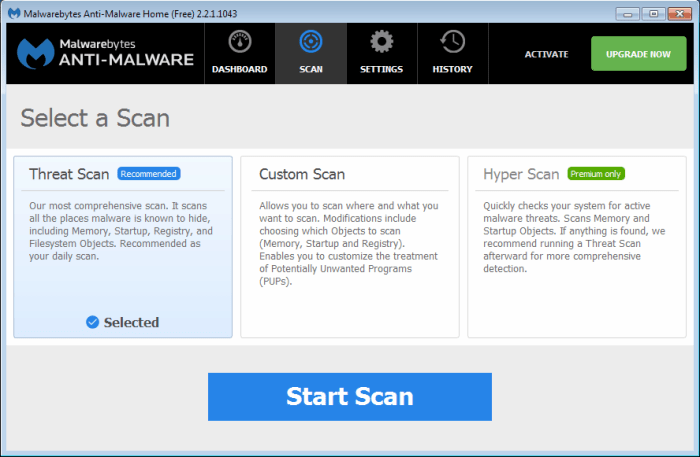
In today’s digital landscape, understanding advanced malware is crucial for both individuals and organizations striving to safeguard their information. Advanced malware represents a sophisticated class of threats that are designed to evade traditional security measures, posing significant risks to data integrity and privacy.
Advanced malware encompasses various types of malicious software, each with distinctive characteristics that enable them to accomplish their malicious objectives. This section will delve into the different types of advanced malware, their impacts, and common deployment methods utilized by cybercriminals.
Types of Advanced Malware Threats
Advanced malware can be categorized into several key types, each exhibiting unique traits and behaviors. The following list Artikels these categories:
- Ransomware: This type of malware encrypts user files and demands a ransom for their release. High-profile cases, such as the WannaCry attack, have demonstrated its devastating impact.
- Trojan Horses: Trojans masquerade as legitimate software, tricking users into installation. Once activated, they can create backdoors for further exploits.
- Rootkits: Rootkits stealthily embed themselves in the operating system, allowing unauthorized access without detection. They can be instrumental in maintaining long-term control over compromised systems.
- Adware and Spyware: While often considered less harmful, these types of malware can lead to privacy violations by collecting sensitive user data without consent.
- Botnets: These are networks of compromised devices used to perform coordinated attacks, often for distributed denial-of-service (DDoS) attacks or spamming campaigns.
Impact of Advanced Malware on Security
The repercussions of advanced malware extend beyond immediate data loss, affecting both individual users and enterprises on multiple levels. The impacts include:
- Financial Loss: Organizations may face significant financial burdens due to ransom payments, recovery efforts, and regulatory fines.
- Reputational Damage: Breaches can erode customer trust, leading to a loss of business and diminished brand reputation.
- Operational Disruption: Malware attacks may cripple critical systems, resulting in downtime that can affect service delivery and operational efficiency.
- Data Breach Consequences: Personal and sensitive information compromised during an attack can lead to identity theft and further exploitation.
Common Methods Used by Attackers
Cybercriminals employ various strategies to deploy advanced malware, often leveraging human psychology and technological vulnerabilities. The following methods are frequently observed:
- Phishing Attacks: Attackers use deceptive emails or messages to trick users into clicking malicious links or downloading infected attachments.
- Exploiting Software Vulnerabilities: Cybercriminals target unpatched systems or outdated software to gain unauthorized access and deploy malware.
- Social Engineering: Manipulative tactics are used to persuade individuals to divulge sensitive information, providing attackers with the keys to infiltrate systems.
- Drive-By Downloads: Users unknowingly download malware by visiting compromised websites, often without any user interaction.
The sophistication of advanced malware necessitates a proactive approach to cybersecurity, particularly as threats continue to evolve.
Features of Advanced Malware Removal Software
Advanced malware removal software plays a crucial role in safeguarding digital landscapes from a growing array of cyber threats. With an increase in sophisticated malware variants, it is imperative that such software not only detects and removes these threats effectively but also offers a suite of features that enhance its overall performance and usability.
Effective malware removal software should possess several essential features to ensure comprehensive protection. These features enable users to efficiently tackle various forms of malware, enhancing both security and user experience. Below are some of the key attributes that define high-quality malware removal tools.
Essential Features of Malware Removal Software
The following features are critical for ensuring that malware removal tools perform their tasks effectively and efficiently:
- Real-Time Protection: Constant monitoring of system activities to detect and block threats as they occur. This proactive approach helps prevent malware infections before they can take hold.
- Deep Scan Capabilities: The ability to conduct thorough scans of the entire system, including files and hidden directories, ensuring no threats are overlooked.
- Automatic Updates: Regular updates to the malware database ensure that the software can recognize and neutralize the latest threats without requiring manual intervention.
- User-Friendly Interface: An intuitive and easy-to-navigate interface that simplifies the process of scanning, removing malware, and accessing features, making it accessible for users at all skill levels.
- Quarantine Feature: A safe space where detected malware can be isolated to prevent further damage while allowing users to decide on removal or restoration.
- System Optimization Tools: Additional tools that help improve system performance, such as disk cleanup and registry optimization, often bundled with malware removal software.
Comparison of Different Malware Removal Products
When choosing malware removal software, it is essential to compare products based on effectiveness and user-friendliness. Below is a comparison of several popular malware removal tools, highlighting their strengths:
| Software Name | Effectiveness | User-Friendliness |
|---|---|---|
| Malwarebytes | High detection rates, effective against a variety of malware types. | Simple interface, easy setup. |
| Norton AntiVirus | Strong in real-time protection and phishing defense. | User-friendly but slightly complex for beginners due to many features. |
| Bitdefender Antivirus | Excellent malware detection and minimal system impact. | Clean and modern interface, easy navigation. |
| Kaspersky AntiVirus | Consistently high performance in independent lab tests. | Clear layout but may overwhelm novice users with options. |
| Avast Free Antivirus | Effective free solution with good malware detection. | Easy to use, with straightforward setup. |
Top-Rated Advanced Malware Removal Tools
Several advanced malware removal tools have gained recognition for their exceptional capabilities and user satisfaction. Below is a list of top-rated tools along with their specifications:
- Malwarebytes: Known for its ability to detect and remove malware effectively, with features like real-time protection and a user-friendly interface.
- Norton AntiVirus: Offers comprehensive malware protection, robust security features, and an easy-to-use dashboard.
- Bitdefender Antivirus: Renowned for its powerful malware detection capabilities and minimal impact on system performance.
- Kaspersky AntiVirus: Provides high detection rates and a wide range of security features, making it suitable for various users.
- Avast Free Antivirus: A popular free option that includes essential malware removal features while remaining user-friendly.
Best Practices for Malware Prevention
In the digital age, safeguarding your devices against malware is not merely a precaution; it is a necessity. By adopting best practices for malware prevention, individuals and organizations can proactively reduce the risk of infection and protect sensitive information. This involves a combination of strategic measures, consistent vigilance, and informed decision-making while navigating the internet.
Regular software updates and security patches play a crucial role in maintaining system integrity. Software developers frequently release updates to address security vulnerabilities that could be exploited by malicious actors. Failing to install these updates leaves systems open to potential threats that could lead to data breaches or other severe consequences.
Importance of Regular Software Updates and Security Patches
Keeping software up to date is essential for malware prevention. These updates often contain critical security fixes that can thwart new malware threats. For instance, in 2021, a vulnerability in Microsoft Exchange Server was exploited by attackers, leading to widespread infections. Organizations that had not updated their systems were particularly vulnerable.
To ensure your systems are fortified against malware, make it a habit to regularly check for and install updates. This applies not only to your operating system but also to applications and security software.
Safe Internet Browsing Habits Checklist
Adopting safe browsing habits is vital for minimizing exposure to malware. Below is a checklist that can help individuals navigate the web more securely:
Before diving into the checklist, consider that practicing safe internet habits can significantly reduce the likelihood of encountering malware. Here are some essential practices:
- Use strong, unique passwords for each online account.
- Enable two-factor authentication wherever possible.
- Think twice before clicking on links in unsolicited emails or messages.
- Download software only from reputable sources or official websites.
- Regularly back up important files to recover from potential infections.
- Utilize a virtual private network (VPN) when accessing public Wi-Fi networks.
- Be cautious of pop-up ads and avoid downloading anything from suspicious sites.
Incorporating these practices into your routine can significantly enhance your defenses against malware threats, ensuring a safer online experience.
Step-by-Step Malware Removal Process
In the ever-evolving landscape of cybersecurity, understanding the procedures for detecting and removing advanced malware is essential. This guide provides a comprehensive overview of the systematic approach to managing malware threats using removal software. By following these steps, users can regain control of their systems and enhance their digital security.
Procedures for Detecting and Removing Advanced Malware
Detecting advanced malware is the first step in the removal process. Effective malware removal software employs several methods to identify these threats. The following procedures Artikel how to perform a thorough malware detection and removal:
1. Update Malware Removal Software: Ensure your malware removal software is up to date. This is crucial as updates often include new virus definitions that help in identifying the latest threats.
2. Perform a Full System Scan: Initiate a complete system scan. This process may take some time depending on the size of your hard drive and the number of files.
3. Review Scan Results: After the scan, carefully review the results. The software will categorize detected items into threats based on severity.
4. Quarantine or Delete Malware: Follow the software’s instructions to quarantine or permanently delete detected malware. Quarantining allows for further inspection while deletion is a more permanent solution.
5. Restart the System: Reboot your computer to finalize the removal process. This action helps reset any processes linked to the malware.
Performing a System Scan and Interpreting Results
Executing a system scan is a critical part of malware detection. The process is straightforward, but understanding the results is essential for effective action. Here’s how to perform a scan and what to look for in the results:
– Initiate Full Scan: Open your malware removal software and select the option for a full system scan. This will encompass all files, folders, and running processes.
– Scanning Duration: Note that the scanning process may take several minutes to hours depending on your computer’s specs and the amount of data stored.
– Understanding Results: Once the scan is complete, the software will display various categories such as “Critical,” “High,” “Medium,” and “Low” risks.
“Critical threats are the most dangerous and require immediate action.”
– Action Options: Depending on the severity, you may have options to remove, quarantine, or ignore the detected items. Choose wisely, especially with medium to critical threats.
Restoring System Functionality After Malware Removal, Advanced malware removal software
After successfully removing malware, restoring your system’s functionality is vital to ensure smooth operation. Here’s a step-by-step guide to assist you in this process:
1. Re-enable Disabled Security Features: Malware often disables firewall and antivirus features. Ensure these are reactivated to protect against future infections.
2. Restore Files from Backup: If any files were quarantined or deleted, restore them from a secure backup. Ensure the backup is malware-free before restoration.
3. Check System Performance: Monitor your system for abnormal behavior. Sluggish performance may indicate lingering malware or other issues.
4. Install System Updates: Update your operating system and all installed applications. Regular updates patch vulnerabilities that malware may exploit.
5. Conduct a Post-Removal Scan: After restoration, perform another full system scan to confirm that the malware has been completely removed and no new threats have emerged.
6. Regular Monitoring: Set up regular scans and updates in your malware removal software to maintain ongoing protection against potential threats.
By following these structured steps, users can effectively navigate the complexities of malware removal and safeguard their digital environments.
Common Queries
What is advanced malware?
Advanced malware refers to sophisticated software designed to disrupt, damage, or gain unauthorized access to computer systems, often evading traditional security measures.
How does advanced malware removal software work?
This software scans your system for known malware signatures, monitors for unusual behavior, and employs heuristic analysis to detect and eliminate emerging threats.
Is advanced malware removal software necessary for home users?
Yes, even home users are vulnerable to malware attacks, making this software essential for protecting personal data and preventing identity theft.
Can I remove advanced malware without software?
While manual removal is possible, it is highly complex and risky; using specialized software is recommended for effective and safe malware removal.
How often should I run malware scans?
It’s advisable to run full scans at least once a week and to enable real-time protection features for ongoing monitoring.
Discover how business antivirus license pricing has transformed methods in this topic.
Obtain a comprehensive document about the application of antivirus software with firewall included that is effective.