Antivirus with VPN and identity protection is your ultimate shield in the digital world, combining essential security tools to keep your online experience safe and sound. With cyber threats lurking at every corner, understanding the importance of a cohesive security solution is not just smart; it’s necessary.
Antivirus software plays a crucial role in safeguarding your devices from malicious attacks, while integrating VPN services adds another layer of privacy by encrypting your internet connection. Moreover, identity protection features help to defend your personal information against identity theft, ensuring that you can browse the web with confidence.
Importance of Antivirus with VPN and Identity Protection
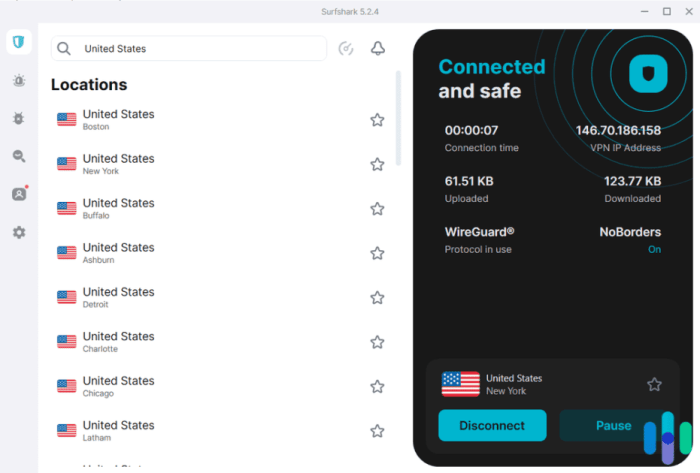
In today’s hyper-connected world, safeguarding your online presence is more critical than ever. The integration of antivirus software, VPN (Virtual Private Network), and identity protection creates a formidable defense against the rising tide of cyber threats. Each component plays a unique yet complementary role in ensuring your digital safety and privacy.
Antivirus software serves as the frontline defense against malware, viruses, and other malicious software that can infiltrate your devices. It continuously scans, detects, and removes harmful files, protecting your system from potential breaches. However, in an era where cybercriminals are becoming increasingly sophisticated, relying solely on antivirus software is inadequate. This is where the integration of VPN services becomes essential.
Benefits of Integrating VPN Services with Antivirus Solutions, Antivirus with VPN and identity protection
Combining VPN services with antivirus solutions amplifies your online security by not only providing malware protection but also enhancing your privacy. A VPN encrypts your internet connection, making it more difficult for hackers and other prying eyes to access your personal data. This dual-layered approach offers several advantages:
- Enhanced Privacy: A VPN masks your IP address, making your online activities anonymous. This is particularly crucial when using public Wi-Fi networks, which are often vulnerable to attacks.
- Secure Data Transmission: With encryption, VPNs ensure that any data transmitted over the internet is secured, preventing interception by cybercriminals.
- Bypass Geo-restrictions: VPNs allow users to access content that may be blocked or restricted in their region, providing a more open internet experience while keeping security intact.
- Comprehensive Protection: When combined with antivirus software, any potential threats encountered online can be swiftly neutralized, ensuring a safer browsing experience.
How Identity Protection Features Safeguard Personal Information
Identity protection features are designed to shield your personal information from theft or misuse. With the increasing prevalence of identity fraud, these features are crucial in maintaining your online integrity. Such protection typically includes monitoring your personal data and alerting you to any suspicious activities.
These systems often encompass:
- Credit Monitoring: Regular checks on your credit report can quickly alert you to any unauthorized accounts or changes that could indicate identity theft.
- Identity Theft Insurance: This provides financial coverage for costs associated with restoring your identity, offering peace of mind in the event of a breach.
- Dark Web Monitoring: By scanning the dark web for your personal information, you can be alerted if your data is being sold or traded, allowing you to take swift action.
- Secure Browsing Tools: These tools help ensure that any sensitive information you enter online is encrypted and transmitted securely, reducing the risk of interception.
By incorporating these powerful features together, users can establish a robust defense against both cyber threats and identity theft, ensuring a safer online experience.
Key Features of Antivirus with VPN and Identity Protection
In today’s digital landscape, the need for comprehensive security solutions has never been more pressing. Antivirus software that integrates VPN and identity protection offers a robust shield against a multitude of online threats. Understanding the key features of these tools can help users navigate the complexities of cybersecurity with confidence.
A well-rounded antivirus solution with integrated VPN capabilities ensures not only malware protection but also secures your online activities by encrypting your internet connection. Coupled with identity protection features, these tools work synergistically to safeguard personal information from threats like identity theft and data breaches. Here are the essential features to consider.
Essential Features to Look For
Selecting antivirus software that includes VPN services and identity protection can be daunting. However, focusing on specific features can simplify the decision-making process. The following list Artikels critical elements that enhance your security:
- Real-time Threat Detection: Effective antivirus software should offer real-time monitoring capabilities that detect malware and other harmful threats upon entry.
- Encryption Standards: A reliable VPN must use strong encryption protocols, such as AES-256, to ensure that your data remains secure during transmission.
- Privacy Protection Tools: Features like ad blockers, tracker removers, and cookie managers bolster privacy by limiting the information that websites can collect.
- Multi-Device Support: The ability to protect multiple devices—desktops, laptops, and mobile devices—ensures comprehensive coverage for all your gadgets.
- Identity Theft Protection: Look for tools that monitor personal information and alert you to any suspicious activity or potential breaches.
Functionality of Identity Protection Mechanisms
The identity protection mechanisms integrated within antivirus solutions play a crucial role in defending against identity theft. These mechanisms typically involve continuous monitoring of personal information across the internet and the dark web. Here’s how identity protection works effectively:
- Data Monitoring: Many solutions utilize algorithms to scan for your personal information on various databases, alerting you if your information is compromised.
- Credit Monitoring: Some tools offer credit monitoring services to inform you of any significant changes in your credit report, which can signal identity theft.
- Fraud Alerts: Users can set up alerts for suspicious activities associated with their accounts, allowing for immediate action to mitigate potential damage.
- Recovery Assistance: In the event of identity theft, some services offer support for recovery processes, helping you navigate through restoring your identity.
Advantages of a Unified Security Solution
Having a single, integrated security solution that combines antivirus, VPN, and identity protection offers significant advantages over using separate tools. Here are some notable benefits:
- Simplified Management: Managing one application is more efficient than juggling multiple tools, making updates and scanning easier and less time-consuming.
- Cost-Effectiveness: Bundled services often provide better value than purchasing each tool separately, allowing for a comprehensive security approach without breaking the bank.
- Seamless Operation: Integrated solutions ensure that all features work together harmoniously, reducing the chance of conflicts between different applications.
- Holistic Protection: A unified approach ensures that various security aspects—like malware protection, network privacy, and identity safeguarding—are addressed simultaneously, leading to a comprehensive defense strategy.
By investing in antivirus software with integrated VPN and identity protection, users can achieve a fortified digital presence while enjoying peace of mind in their online interactions.
Comparisons of Popular Products
In today’s digital landscape, choosing the right antivirus solution that seamlessly integrates VPN and identity protection is crucial. Not only does it safeguard your devices from threats, but it also ensures your online activities remain private and secure. With numerous products available, understanding their differences can help consumers make informed decisions.
When comparing popular antivirus products, key factors include pricing structures, the scope of features offered, and overall value propositions. Each solution has its strengths and weaknesses, catering to different user needs. Below is a comprehensive overview of some of the top contenders in the market.
Feature Comparison of Leading Antivirus Solutions
To illustrate how these products stack up against each other, we present a feature comparison table highlighting essential aspects such as pricing, VPN services, identity protection, and additional features.
| Product | Pricing | VPN Included | Identity Protection | Additional Features |
|---|---|---|---|---|
| Norton 360 | $39.99/year | Yes | Yes | Cloud Backup, Password Manager |
| Kaspersky Total Security | $49.99/year | Yes | Yes | Parental Controls, VPN Protection |
| Bitdefender Premium Security | $89.99/year | Yes | Yes | Anti-Phishing, Online Threat Prevention |
| McAfee Total Protection | $59.99/year | Yes | Yes | File Shredder, Web Advisor |
Each product presents different pricing tiers and features that cater to various user needs. For instance, Norton 360 is known for its comprehensive cloud backup and password manager, making it a robust option for users needing extra storage and organizational tools. In contrast, Bitdefender Premium Security focuses on advanced protection features like anti-phishing and online threat prevention, which may appeal to users looking for enhanced security measures.
“Choosing an antivirus product that offers integrated VPN and identity protection is essential for maintaining security and privacy in an increasingly digital world.”
Understanding these comparisons can guide users in selecting a product that aligns with their digital lifestyle and security requirements.
Best Practices for Using Antivirus with VPN and Identity Protection
In the digital realm, safeguarding your personal information and ensuring online privacy has become paramount. The combination of antivirus software, VPN capabilities, and identity protection solutions creates a formidable defense against cyber threats. Understanding best practices for utilizing these tools effectively enhances your online security significantly.
Integrating antivirus software with VPN functionality not only protects your device from malicious software but also encrypts your internet connection, preventing unauthorized access to your data. Adhering to best practices helps maintain this security while ensuring smooth user experiences.
Step-by-Step Guide for Setting Up Antivirus Software with VPN Capabilities
Setting up antivirus software that includes VPN features is a straightforward process if followed systematically. Here’s how to get started:
1. Choose the Right Software: Research and select antivirus software that offers built-in VPN services. Look for trusted brands with positive reviews.
2. Download and Install: Visit the official website of the antivirus provider, download the software, and initiate the installation process. Follow the on-screen instructions.
3. Activate the Software: After installation, open the antivirus program and enter your activation key, if required, to unlock full features.
4. Configure the VPN Settings: Locate the VPN section within the antivirus program. Enable the VPN and customize settings, such as choosing a preferred server location for optimal performance.
5. Allow Permissions: Ensure that the antivirus has permission to run in the background and access necessary network configurations for the VPN to function correctly.
6. Test the Configuration: Once set up, test the VPN by accessing a geo-restricted site or checking your IP address to confirm the VPN is working as intended.
Best Practices for Maintaining Online Privacy and Security
Maintaining robust online security requires diligence and awareness. Here are essential practices to adopt:
To ensure a secure online experience, consider the following best practices:
- Regularly Update Software: Keep your antivirus and VPN software updated to protect against the latest threats.
- Use Strong Passwords: Create complex passwords and change them regularly to enhance account security.
- Activate Multi-Factor Authentication: Enable this feature for an additional layer of protection on sensitive accounts.
- Be Wary of Public Wi-Fi: Avoid accessing sensitive information over public networks, even when using a VPN.
- Periodically Review Privacy Settings: Regularly check and adjust privacy settings on both your antivirus and VPN to maintain optimal security levels.
- Educate Yourself on Phishing Attacks: Recognize and avoid suspicious emails or messages that may compromise your security.
- Limit Personal Information Sharing: Be mindful of how much personal data you share online and with whom.
Tips for Troubleshooting Common Issues with Antivirus and VPN Interoperability
When using antivirus software with integrated VPN capabilities, users may occasionally encounter issues. Here are some troubleshooting tips to resolve these common problems:
Understanding potential conflicts between antivirus and VPN software is crucial for maintaining seamless online security. If you face connectivity issues, consider these solutions:
- Check for Conflicts: Determine if your antivirus is blocking the VPN’s connection by temporarily disabling it to see if the VPN connects.
- Adjust Firewall Settings: Configure your firewall to allow the VPN to function properly. Ensure that VPN-related protocols are not being blocked.
- Reinstall the Software: If issues persist, uninstall and reinstall both the antivirus and VPN software to reset configurations.
- Consult Support Resources: Utilize customer support or online forums related to your software for specific troubleshooting guides or updates.
- Verify Server Locations: Ensure that the VPN server you are attempting to connect to is operational and not overloaded.
Quick FAQs
Why do I need both antivirus and VPN?
Having both ensures comprehensive protection: antivirus guards against malware, while VPN secures your internet connection and privacy.
Can I use any VPN with my antivirus software?
Not all VPNs are compatible with all antivirus programs, so check compatibility before integrating them.
Is identity protection included in all antivirus with VPN packages?
No, identity protection features can vary by product, so it’s essential to review each solution’s specifics.
How often should I update my antivirus with VPN?
Regular updates are recommended; ideally, set your software to automatically update to ensure you have the latest security features.
What should I do if my antivirus and VPN conflict?
Try adjusting the settings of either program or consult the support team of the software for troubleshooting assistance.
In today’s digital landscape, investing in small business cybersecurity software is essential for protecting your data from cyber threats. With so many options available, finding the right solution can significantly enhance your security posture, ensuring your business runs smoothly without interruptions from potential breaches.
As we step into 2026, choosing the best paid antivirus subscription 2026 becomes crucial for safeguarding your devices. A reliable antivirus solution not only protects against viruses but also provides robust features like real-time scanning and privacy protection to keep your information secure.
For small companies, utilizing cybersecurity software for small companies can greatly reduce risks associated with cyber attacks. These tailored solutions are designed to meet the unique needs of smaller enterprises, ensuring that data integrity and customer trust are maintained.
If you’re managing multiple devices, consider a multi device antivirus plan that covers all your gadgets under a single subscription. This not only simplifies management but also ensures comprehensive protection across all platforms, from smartphones to desktops.
In an age of increasing cyber threats, opting for antivirus software with dark web monitoring can provide an extra layer of security. This feature alerts you to any potential threats to your identity that might be lurking on the dark web, allowing you to take proactive measures.
When it comes to e-commerce, selecting the best antivirus for e-commerce security is paramount. Ensuring your online transactions are secure will not only protect your business from fraud but also foster customer confidence in your brand.
For organizations seeking advanced protection, a cloud based endpoint security solution offers scalable security measures. This approach allows businesses to manage and monitor their security remotely, adapting to emerging threats in real-time.
Combining security features is easier than ever with an identity theft protection and antivirus bundle. This package not only defends against malware but also safeguards personal information, making it a smart investment for those worried about identity theft.
For larger organizations, deploying an enterprise endpoint protection solution is crucial. Such solutions provide comprehensive visibility and control over all endpoints, ensuring that sensitive data remains secure against sophisticated cyber threats.
Investing in antivirus software with firewall included can significantly enhance your cybersecurity. This integrated approach not only detects malware but also prevents unauthorized access to your network, ensuring a robust defense.
When searching for reliable antivirus solutions, Norton is a name that often comes to mind. Known for its comprehensive security features, it’s a solid choice for anyone looking to protect their digital assets effectively.
Another contender in the antivirus space is McAfee. With a reputation for strong malware protection and a user-friendly interface, it’s an excellent option for users wanting to keep their devices safe from cyber threats.
If you’re looking for versatility, Bitdefender offers top-notch security solutions that adapt to your needs. Their advanced technology provides comprehensive protection against various cyber threats while ensuring minimal impact on system performance.
Kaspersky is another trusted name in the antivirus world, known for its reliable malware detection and robust privacy features, making it a favorite among users who prioritize security and user experience.
For those who value simplicity, Avast provides a straightforward antivirus solution that balances effectiveness with ease of use. It’s a great choice for casual users who want reliable protection without the complexity.
Lastly, Trend Micro stands out with its strong emphasis on online transaction security. Their solutions are designed to protect sensitive information during e-commerce activities, making it an excellent choice for online businesses.