Cybersecurity software for small companies is no longer a luxury but a necessity in today’s digital landscape. With the rise of cyberattacks, even the smallest businesses are vulnerable to threats that could jeopardize their operations and reputation. It’s vital for small companies to understand the importance of strong cybersecurity measures, including the types of software available and how they can protect sensitive data and customer information.
In a world where data breaches and ransomware attacks are on the rise, small businesses must equip themselves with the right cybersecurity tools. The right software can act as a formidable shield against common threats, such as malware and phishing scams, ensuring that your business remains operational and secure. As we delve deeper into this topic, we will explore various software options tailored for smaller enterprises, their costs, and implementation strategies that can fortify your business against potential cyber threats.
Importance of Cybersecurity Software for Small Companies
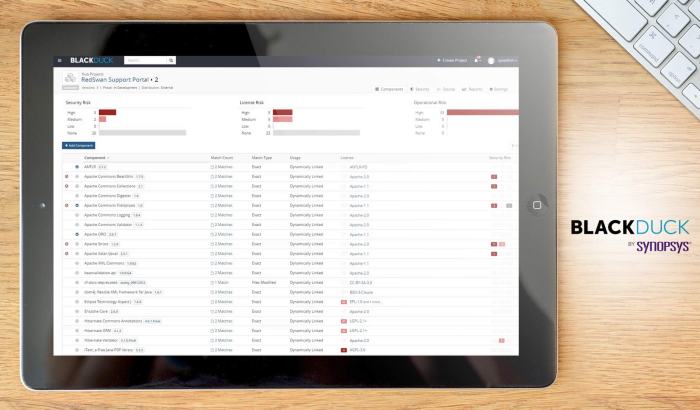
In today’s digital landscape, small companies are increasingly becoming targets for cybercriminals. As they often lack the resources and knowledge that larger organizations possess, they face unique challenges when it comes to cybersecurity. Investing in robust cybersecurity software is not just an option; it is a necessity for safeguarding sensitive data and ensuring business continuity.
Small businesses encounter a variety of cybersecurity threats, including phishing attacks, ransomware, and data breaches. These threats can lead to significant financial losses, reputational damage, and even legal issues. The right cybersecurity software can provide necessary protection by detecting and preventing attacks, thereby reducing vulnerabilities. Additionally, as reported by the Verizon 2022 Data Breach Investigations Report, 43% of breaches involved small businesses, highlighting the urgent need for appropriate security measures.
Common Cybersecurity Threats Faced by Small Companies
Cyber threats are ubiquitous, and small businesses are no exception. Recognizing these threats is essential for implementing effective cybersecurity solutions. Some prevalent threats include:
- Phishing Attacks: Cybercriminals often use deceptive emails to trick employees into revealing sensitive information or downloading malware. Such attacks have become increasingly sophisticated and can easily bypass basic security measures.
- Ransomware: This type of malware encrypts a business’s data, rendering it inaccessible until a ransom is paid. Small companies are frequently targeted because they may be less likely to have robust backup solutions.
- Data Breaches: Data breaches occur when unauthorized individuals gain access to sensitive data. With the average cost of a data breach reaching approximately $3.86 million, as reported by IBM, the stakes are high for small businesses.
Effective cybersecurity software can mitigate these risks by providing features such as real-time threat detection, automated updates, and employee training programs. By arming themselves with the right tools, small businesses can significantly reduce their vulnerability to these common threats and protect their bottom line.
Statistics on Cybersecurity Incidents and Their Impact
Understanding the statistical landscape surrounding cybersecurity is crucial for small businesses. The impact of cyber incidents can be devastating, and the numbers speak volumes:
- According to a 2021 report by the Hiscox Cyber Readiness Institute, 47% of small businesses experienced a cyberattack within the last year.
- The cost of cybercrime is projected to reach $10.5 trillion annually by 2025, underscoring the growing financial threat to businesses, particularly small enterprises.
- Over 60% of small companies that suffer a cyberattack go out of business within six months, according to the National Cyber Security Alliance. This alarming statistic highlights the critical need for effective cybersecurity measures.
These statistics not only reveal the prevalence of cyber threats but also emphasize the urgent need for small businesses to invest in cybersecurity software. Implementing a comprehensive cybersecurity strategy can help protect valuable assets, maintain customer trust, and ensure long-term sustainability.
Types of Cybersecurity Software Suitable for Small Companies
In the ever-evolving landscape of cybersecurity, small businesses face unique challenges and threats. The reliance on digital solutions makes these companies vulnerable to a range of cyberattacks. To combat these threats effectively, selecting the right cybersecurity software is crucial. This guide explores various types of cybersecurity software tailored for small enterprises, highlighting their key features and options available in the market.
Categories of Cybersecurity Software
Small companies can benefit from a variety of cybersecurity software types designed to protect their digital assets. Understanding these categories can help businesses choose the right tools for their needs. Here are the primary types of cybersecurity software:
- Antivirus Software: This software detects and removes malicious software. It is essential for preventing virus infections and ensuring the integrity of sensitive data.
- Firewalls: Acting as a barrier between trusted and untrusted networks, firewalls monitor incoming and outgoing traffic to prevent unauthorized access.
- Intrusion Detection Systems (IDS): These systems identify and respond to potential security breaches by monitoring network traffic for suspicious activity.
- Encryption Tools: Encryption software secures data by converting it into a coded format, making it inaccessible to unauthorized users.
- Security Information and Event Management (SIEM): SIEM solutions provide real-time analysis of security alerts generated by applications and network hardware, enabling better incident response.
- Endpoint Protection: This software secures endpoints like laptops and mobile devices from threats, offering features such as data loss prevention and behavioral analysis.
Comparison of Cybersecurity Software Options
The market offers various cybersecurity software options, each catering to different needs and budgets. Here are some notable examples that small businesses might consider:
| Software | Type | Key Features | Price Range |
|---|---|---|---|
| Bitdefender Small Office Security | Antivirus | Multi-device support, ransomware protection, VPN | $100/year for 5 devices |
| ZoneAlarm Firewall | Firewall | Two-way firewall, identity protection, Wi-Fi security | $39.95/year |
| SolarWinds Security Event Manager | SIEM | Log management, real-time monitoring, compliance reporting | $1,995/year |
| Malwarebytes | Antivirus | Malware removal, real-time protection, web protection | $39.99/year per device |
| CylancePROTECT | Endpoint Protection | AI-based threat detection, lightweight agent, risk analysis | Contact for pricing |
Features to Look for in Cybersecurity Software
When selecting cybersecurity software for a small business, it’s important to consider specific features that will enhance security without complicating operations. Key features to look for include:
- Ease of Use: Software should be user-friendly, requiring minimal training for employees to navigate effectively.
- Scalability: The solution should grow with your business, accommodating an increase in users, devices, and data.
- Comprehensive Support: Look for vendors that offer 24/7 customer support and resources to help resolve issues quickly.
- Regular Updates: Ensure that the software receives frequent updates to protect against newly emerging threats.
- Reporting and Analytics: Detailed insights into security incidents and system status can help businesses make informed decisions on security policies.
- Cost-Effectiveness: Evaluate whether the pricing aligns with your budget while still meeting security needs adequately.
“Investing in the right cybersecurity software is not just an option for small businesses; it’s a necessity to safeguard their future.”
Implementation Strategies for Cybersecurity Software: Cybersecurity Software For Small Companies
Selecting and implementing cybersecurity software is a critical step for small businesses aiming to protect their sensitive data and maintain customer trust. The right strategies not only safeguard digital assets but also enhance operational efficiency. This section Artikels the essential steps and best practices for integrating cybersecurity software into small companies, ensuring a robust defense against potential cyber threats.
Steps for Selecting and Implementing Cybersecurity Software
The selection and implementation process of cybersecurity software requires careful consideration. Here are the key steps involved:
1. Assess Business Needs: Identify the specific security requirements based on the company’s size, industry, and the nature of data handled. An understanding of the potential threats is crucial.
2. Research Available Solutions: Explore various cybersecurity software options available in the market. Compare features, pricing, and customer reviews to narrow down choices.
3. Evaluate Vendor Credentials: Ensure the chosen software vendor has a strong reputation, reliable customer support, and proven expertise in cybersecurity.
4. Perform a Trial Run: If possible, take advantage of free trials to test the software’s effectiveness in protecting your systems against common threats.
5. Plan for Integration: Develop a detailed plan for how the software will be integrated into existing systems. Consider any compatibility issues that may arise.
6. Train Staff on Usage: Ensure employees are proficient in using the new software. Proper training helps maintain a high standard of cybersecurity awareness.
7. Monitor and Adapt: Continuously monitor the effectiveness of the software and be prepared to adapt strategies based on evolving cyber threats.
Best Practices for Training Employees on Cybersecurity Protocols, Cybersecurity software for small companies
Employee training is pivotal in fostering a culture of cybersecurity within an organization. Implement the following best practices:
– Regular Training Sessions: Schedule ongoing training sessions that cover the latest cybersecurity threats and best practices. This keeps employees informed and vigilant.
– Use Real-Life Scenarios: Incorporate real-life case studies of cyber attacks relevant to your industry to illustrate potential risks and demonstrate proper responses.
– Engage through Workshops: Conduct interactive workshops that encourage employee participation, enhancing retention of crucial information.
– Establish Clear Policies: Provide clear documentation of cybersecurity policies and protocols. Employees should understand their responsibilities in maintaining security.
– Create an Open Dialogue: Encourage employees to report suspicious activities without fear of repercussion. An open line of communication strengthens the security posture.
Checklist for Ongoing Maintenance and Updates of Cybersecurity Software
Maintaining cybersecurity software is vital for ensuring continued protection against threats. The following checklist provides a framework for ongoing maintenance and updates:
– Regular Software Updates: Schedule automatic updates to ensure the software is always running the latest security features and patches.
– Conduct Routine Security Audits: Perform regular audits to identify vulnerabilities and assess the effectiveness of your cybersecurity measures.
– Backup Data Frequently: Implement a robust data backup strategy to protect against data loss or ransomware attacks.
– Review Access Controls: Regularly review and adjust user permissions to ensure that only authorized personnel have access to sensitive information.
– Stay Informed on Emerging Threats: Keep abreast of the latest cybersecurity trends and threats to adapt strategies accordingly.
“Cybersecurity is not just a technology issue; it’s a business risk that requires a proactive approach.”
By following these structured implementation strategies, small businesses can significantly enhance their cybersecurity posture, safeguarding their assets and maintaining customer trust in an increasingly digital world.
Cost Considerations for Small Companies
In today’s digital landscape, small companies face numerous threats that can jeopardize their operations and reputation. Investing in cybersecurity software becomes not only a necessity but also a strategic financial decision. Understanding the costs associated with different solutions is crucial for small business owners who want to maximize their investments while effectively safeguarding their digital assets.
Different cybersecurity software solutions vary significantly in terms of pricing, features, and support. The costs can range from basic antivirus software at a few dollars per month to comprehensive security suites that can cost several hundred dollars annually. The following breakdown highlights the typical costs associated with various types of cybersecurity software for small businesses:
Cost Comparison of Cybersecurity Software Solutions
When evaluating cybersecurity solutions, it’s essential to compare the features and pricing models to find the best fit for your business needs. The following table summarizes the cost categories of popular cybersecurity tools:
| Software Type | Price Range (Annual) | Key Features |
|---|---|---|
| Antivirus Software | $30 – $100 | Malware protection, real-time scanning, basic phishing protection |
| Firewall Solutions | $200 – $1,000 | Network monitoring, intrusion detection, traffic management |
| Endpoint Security | $50 – $150 per device | Threat detection, response capabilities, data encryption |
| Managed Security Services | $500 – $3,000 | 24/7 monitoring, incident response, compliance management |
Adopting cost-saving strategies can help small companies optimize their cybersecurity expenditures. By exploring options like bundled services, utilizing free tools as a first layer of defense, and considering cloud-based solutions, businesses can effectively manage their budgets. Additionally, investing in employee training programs can significantly reduce the risk of cyber incidents, making it a cost-effective preventive measure.
Potential Cost-Saving Strategies
Implementing cybersecurity measures doesn’t have to break the bank. Here are some strategies small companies can consider to save on cybersecurity software costs:
– Utilize Bundled Services: Many cybersecurity providers offer bundled solutions that combine multiple services at a discounted rate. This can significantly reduce overall costs while ensuring comprehensive coverage.
– Leverage Free Tools Initially: Starting with free antivirus or basic firewall software can provide initial protection. As the business grows, upgrades to paid services can be planned accordingly.
– Adopt Cloud-Based Solutions: These solutions often require lower upfront costs and provide scalable protection that aligns with a small company’s growth.
– Invest in Employee Training: Educating employees about cybersecurity best practices can minimize the likelihood of incidents stemming from human error, which is often a significant contributor to security breaches.
Investing in cybersecurity measures leads to a more secure business environment, ultimately saving costs associated with potential breaches.
Understanding the return on investment (ROI) of implementing cybersecurity measures is crucial for small companies. While the initial costs can seem daunting, the long-term benefits often outweigh these expenses. By preventing data breaches, avoiding downtime, and maintaining customer trust, small businesses can ensure a strong ROI.
Return on Investment of Cybersecurity Measures
The ROI from implementing cybersecurity measures can be quantified by considering the potential costs of data breaches against the costs of preventive measures. For instance, a data breach can cost a small business an average of $200,000, which includes legal fees, remediation, and potential loss of clients. On the other hand, investing in comprehensive cybersecurity software can cost significantly less annually.
In real-world scenarios, companies that invest in cybersecurity not only protect their assets but also enjoy increased customer confidence and potential growth opportunities. A strong cybersecurity posture can differentiate a business in competitive markets, leading to enhanced reputation and client acquisition.
By approaching cybersecurity with a strategic mindset, small companies can effectively manage costs while ensuring robust protection against evolving cyber threats.
FAQ Summary
What is cybersecurity software?
Cybersecurity software refers to tools designed to protect systems, networks, and sensitive data from cyber threats.
Why do small companies need cybersecurity software?
Small companies often lack the resources to recover from cyberattacks, making cybersecurity software crucial for protection and risk mitigation.
How can small businesses choose the right cybersecurity software?
Consider factors such as the types of threats faced, the size of your business, ease of use, and scalability when selecting software.
What are common cybersecurity threats for small companies?
Common threats include malware, phishing, ransomware, and insider threats, all of which can severely impact small businesses.
How much should small companies invest in cybersecurity?
Investment can vary, but a good rule of thumb is to allocate a percentage of your IT budget to cybersecurity, typically around 5-10%.
As we step into 2026, choosing the right security for your devices is crucial. A standout option is the best paid antivirus subscription 2026 , which offers robust protection against evolving threats, ensuring your digital life remains safe and sound. Investing in such a subscription is not just about safety, but also about peace of mind in our increasingly connected world.
In today’s fast-paced digital landscape, businesses require a strong defense mechanism to combat cyber threats. This is where an effective enterprise endpoint protection solution comes into play, enabling organizations to safeguard their sensitive data across multiple devices. By employing such solutions, companies can enhance their security posture and mitigate potential risks.