Multi device antivirus plan sets the stage for a digital fortress in an age where online threats lurk around every corner. Imagine protecting not just one, but all your devices with a single solution that safeguards your data and privacy. With a myriad of antivirus options available, understanding the significance of multi-device coverage is crucial for anyone looking to enhance their cybersecurity game.
In this guide, we’ll explore the essentials of multi-device antivirus plans, comparing different solutions, highlighting their benefits, and sharing tips on what features to look for. From cost considerations to best practices for implementation and maintenance, every detail is crafted to ensure you make an informed choice for your digital safety.
Overview of Multi Device Antivirus Plans
In today’s digital landscape, the need for robust cybersecurity is more pressing than ever. With multiple devices at our disposal—smartphones, tablets, laptops, and even smart home devices—ensuring that each one is protected from malware, viruses, and other cyber threats is essential. Multi-device antivirus plans offer an all-encompassing solution, allowing users to secure all their devices under a single subscription. This not only simplifies management but also provides comprehensive protection against a variety of online threats.
A multi-device antivirus plan typically covers various operating systems, including Windows, macOS, Android, and iOS, offering flexible protection tailored to different user needs. The importance of such plans is highlighted by the increasing sophistication of cyber threats. According to cybersecurity reports, the number of reported cyber attacks has surged, underscoring the necessity for effective, centralized protection.
Comparison of Antivirus Solutions Offering Multi-Device Coverage
When evaluating antivirus solutions that provide multi-device coverage, it is important to consider key features such as protection level, ease of use, and price. The following table summarizes some of the leading antivirus solutions available today:
| Antivirus Solution | Devices Covered | Key Features | Price (Annual) |
|---|---|---|---|
| Norton 360 | Up to 10 | Real-time threat protection, VPN, Dark web monitoring | $89.99 |
| Bitdefender Total Security | Up to 10 | Multi-layer ransomware protection, VPN, Parental controls | $79.99 |
| McAfee Total Protection | Up to 10 | Identity theft protection, Web protection, VPN | $89.99 |
| Kaspersky Total Security | Up to 5 | Anti-phishing, VPN, Backup and encryption tools | $59.99 |
This comparison illustrates that while many antivirus solutions offer multi-device coverage, they vary significantly in features and pricing. Users should assess their specific needs and choose a product that best aligns with their requirements.
Benefits of Multi-Device Antivirus Plans
Adopting a multi-device antivirus plan presents several advantages over managing individual plans for each device. Key benefits include:
- Cost-Effective: Bundling multiple devices under one plan typically results in savings compared to purchasing separate licenses for each device.
- Simplified Management: A single dashboard allows users to monitor and manage the security of all devices effortlessly, thus enhancing user experience.
- Consistent Protection: Ensures that all devices receive the same level of protection without the risk of overlooking any device.
- Cross-Platform Compatibility: Most multi-device plans offer protection across various platforms, ensuring peace of mind for users with diverse devices.
The choice of a multi-device antivirus plan not only streamlines cybersecurity management but also significantly enhances the overall protection of users’ digital environments.
“With the rise of cyber threats, a multi-device antivirus plan is no longer just an option; it’s a necessity for comprehensive security.”
Features to Look for in a Multi Device Antivirus Plan
In today’s interconnected world, a robust multi-device antivirus plan is essential for safeguarding personal data across various platforms. With the increasing number of devices we use daily, from smartphones to laptops, having comprehensive protection that is compatible with all these devices is imperative. This section highlights the key features to consider when selecting a multi-device antivirus plan to ensure maximum security and functionality.
Key Features for Comprehensive Protection
When it comes to multi-device antivirus plans, several features stand out as essential for effective protection. These features not only provide security against malware and viruses but also enhance the overall user experience.
- Real-Time Protection: Continuous monitoring and scanning help detect and neutralize threats before they can inflict damage.
- Cross-Platform Compatibility: The antivirus should seamlessly work across various operating systems, including Windows, macOS, Android, and iOS, ensuring comprehensive coverage.
- Automatic Updates: Regular updates ensure that the antivirus can combat the latest threats, keeping your devices secure without requiring manual intervention.
- User-Friendly Interface: A straightforward and intuitive interface allows users of all technical levels to navigate the software easily and access features without hassle.
Significance of Cross-Platform Compatibility, Multi device antivirus plan
Cross-platform compatibility is crucial in a multi-device antivirus plan. This feature ensures that users are not limited by their choice of operating systems or devices. For instance, if a user has a Windows laptop and an iOS smartphone, the antivirus solution needs to provide uniform protection across both platforms.
“Cross-platform compatibility enables a seamless user experience, allowing individuals to secure all their devices from a single dashboard.”
Additional Security Features
Incorporating supplementary security features can significantly enhance the effectiveness of a multi-device antivirus plan. These features go beyond basic virus protection, offering users added layers of security that are increasingly necessary in today’s digital landscape.
Before diving into the list, it’s crucial to acknowledge that these additional features can dramatically improve online safety, especially for families or users who frequently engage in online transactions.
- Firewall: A firewall monitors incoming and outgoing network traffic, establishing a barrier between your trusted internal network and untrusted external networks.
- VPN (Virtual Private Network): A VPN encrypts internet traffic, providing privacy and security when accessing public Wi-Fi networks and allowing users to browse anonymously.
- Parental Controls: These tools help parents manage and restrict their children’s online activities, ensuring a safer internet experience for younger users.
- Web Protection: Features that scan websites for potential threats, preventing users from visiting malicious sites that may compromise their security.
Cost Considerations and Value Assessment
When contemplating the shift to a multi-device antivirus plan, financial implications come to the forefront. With various options available, understanding the pricing structures and their inherent value is essential for informed decision-making. This section dives into cost-effectiveness, long-term savings, and what to expect from typical subscriptions in terms of service.
Pricing Structures of Popular Multi Device Antivirus Plans
Analyzing the pricing of multi-device antivirus plans helps in determining their overall cost-effectiveness. Various brands offer competitive pricing, typically charging between $40 to $100 annually for coverage spanning multiple devices. Here’s a streamlined overview of popular options:
- Norton 360: Ranges from $89.99/year for up to 5 devices, offering comprehensive protection including a VPN and cloud backup.
- Bitdefender: Priced around $79.99/year for 10 devices, boasting features like anti-phishing and multi-layer ransomware protection.
- Kaspersky: Approximately $59.99/year for 5 devices, providing robust security features along with financial and password management tools.
These plans often bundle various features, enhancing their value for users seeking comprehensive protection across multiple devices.
Long-Term Savings of Multi Device Antivirus Plans
Investing in a multi-device antivirus plan can yield notable long-term savings compared to purchasing individual licenses for each device. Consider this:
– A single antivirus license typically costs between $30 to $50 per device annually.
– For a family with four devices, individual licenses would sum up to $120 to $200 annually.
– In contrast, a multi-device plan offering coverage for all four devices is often priced significantly lower, averaging around $70 to $100.
This model not only reduces costs but also simplifies management by consolidating renewals and updates into one annual process.
Typical Subscription Coverage
When opting for a multi-device antivirus plan, it’s crucial to understand what services and support are included in typical monthly or yearly subscriptions. Here’s what you should expect:
- Device Compatibility: Coverage for various operating systems, including Windows, macOS, Android, and iOS.
- Real-Time Protection: Continuous scanning for malware and other threats, ensuring devices are protected 24/7.
- Customer Support: Access to technical support through various channels like chat, email, or phone.
- Automatic Updates: Regular updates for virus definitions and software enhancements to maintain optimal security.
- Additional Features: Services such as VPNs, password managers, and backup solutions that enhance overall digital security.
Multi-device antivirus plans are not just about cost savings; they also provide a comprehensive suite of protections that individual licenses may lack.
Understanding these elements ensures that consumers can make educated decisions, balancing cost with the level of security needed for their devices.
Implementation and Maintenance Best Practices
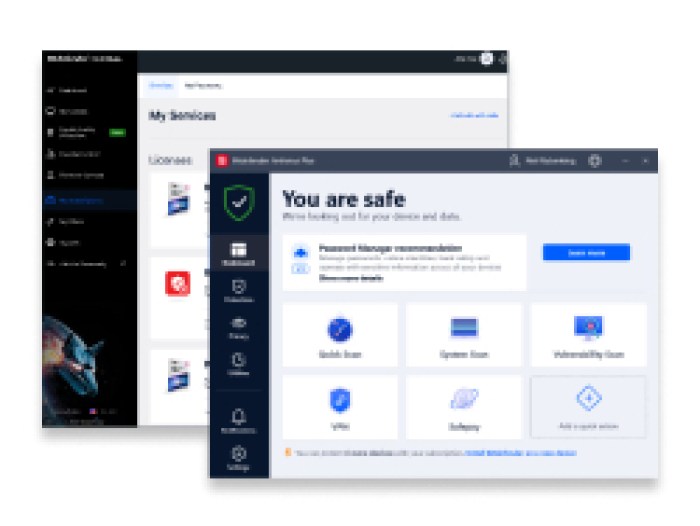
Implementing a multi device antivirus plan effectively is crucial for ensuring comprehensive protection across all devices in your network. With the rise in cyber threats, a well-executed antivirus strategy can mitigate risks and safeguard sensitive data. This section Artikels the essential steps to set up and maintain a multi device antivirus system, ensuring optimal functionality and protection.
Setup Steps for Multi Device Antivirus Plan
Establishing a multi device antivirus plan involves several key steps that enable seamless integration across different devices. The following guide illustrates how to properly set up your antivirus solution:
- Choose the Right Antivirus Software: Select a reputable antivirus provider that offers comprehensive multi-device support. Look for features such as cloud-based management, a user-friendly interface, and robust threat detection capabilities.
- Install the Software on All Devices: Download and install the antivirus software on each device—be it desktops, laptops, smartphones, or tablets. Follow the provided instructions from the antivirus provider to ensure proper installation.
- Activate the License: Upon installation, activate your antivirus license using the unique key provided at the time of purchase. This step is essential for unlocking the full features of the software.
- Configure Settings: Adjust the settings according to your preferences. Enable automatic updates, schedule regular scans, and customize firewall settings to enhance security.
- Establish User Accounts: For households or small businesses, create separate user accounts for each device. This allows for personalized settings while maintaining overall control through a central dashboard.
Maintenance Tips for Optimal Performance
Regular maintenance of your multi device antivirus software is vital for ensuring it functions optimally. Here are some best practices to keep your antivirus in top shape:
- Keep Software Updated: Regularly check for updates to the antivirus software. Updated versions often include new virus definitions and improved features to combat emerging threats.
- Schedule Regular Scans: Set up automatic scans on a weekly or monthly basis. Regular scanning helps identify and eliminate potential threats before they compromise your system.
- Monitor Device Performance: Pay attention to how the antivirus software affects device performance. If you notice slowdowns, consider adjusting the scan schedule or settings.
- Review Security Reports: Most antivirus software provides security reports that summarize detected threats and actions taken. Regularly review these reports to stay informed about your security status.
- Educate Users: Ensure that all users are aware of safe browsing practices and recognize potential phishing attempts. This proactive approach complements the antivirus software’s protection.
Monitoring and Responding to Security Threats
An effective multi device antivirus plan includes robust monitoring and response mechanisms to security threats. Understanding how to use these tools can significantly enhance your security posture.
- Utilize Real-Time Protection: Ensure that real-time protection is enabled to immediately detect and mitigate threats as they arise. This feature helps prevent malware from infiltrating your devices.
- Set Up Alerts: Configure alerts to notify you of suspicious activities or detected threats. This allows for a prompt response and minimizes potential damage.
- Quarantine Suspicious Files: Upon detection of a threat, the antivirus should automatically quarantine the affected files. Review quarantined items regularly and decide whether to delete or restore them.
- Conduct Emergency Scans: If a device shows signs of infection or irregular behavior, conduct an emergency scan to identify and neutralize threats swiftly.
- Stay Informed About New Threats: Follow cybersecurity news to stay updated on new threats and vulnerabilities. This knowledge can guide your response strategies and help you adjust your settings accordingly.
Essential Questionnaire
What is a multi device antivirus plan?
A multi device antivirus plan is a software solution that provides antivirus protection for multiple devices under a single subscription.
How does a multi device antivirus plan save money?
It eliminates the need for purchasing separate licenses for each device, often resulting in long-term savings.
Can I use a multi device antivirus plan on different operating systems?
Yes, many multi device antivirus plans are compatible with various operating systems, such as Windows, macOS, and Android.
What additional features should I look for?
Look for features like firewalls, VPNs, and parental controls that enhance overall security.
How often should I update my antivirus software?
Regular updates are essential; ideally, your antivirus software should be set to update automatically.
When investigating detailed guidance, check out antivirus software with firewall included now.
Discover more by delving into identity theft protection and antivirus bundle further.